
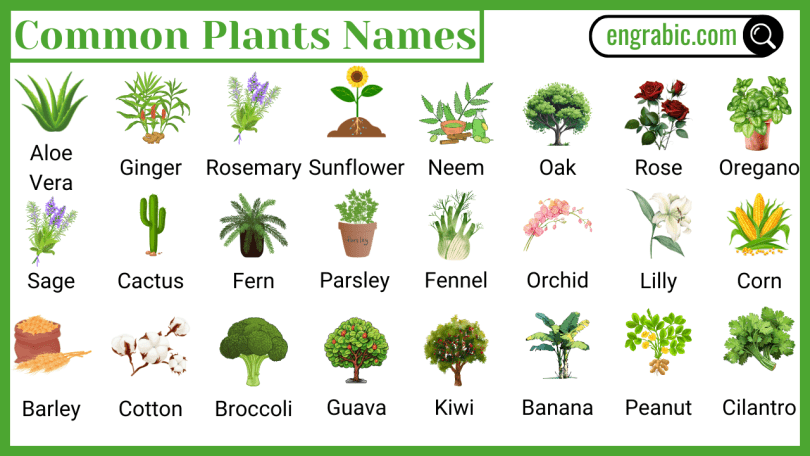
Learning plant names is a great way to build useful vocabulary. Knowing terms like Aloe Vera, Ginger, Mint, and Rosemary helps learners connect with real-world examples. This content makes mastering different names of plants simple and clear through easy explanations.
Contents
List of Plant Names
- Aloe Vera
- Basil
- Lavender
- Mint
- Chamomile
- Eucalyptus
- Rosemary
- Thyme
- Ginger
- Turmeric
- Peppermint
- Dandelion
- Sunflower
- Marigold
- Jasmine
- Hibiscus
- Neem
- Bamboo
- Oak
- Pine
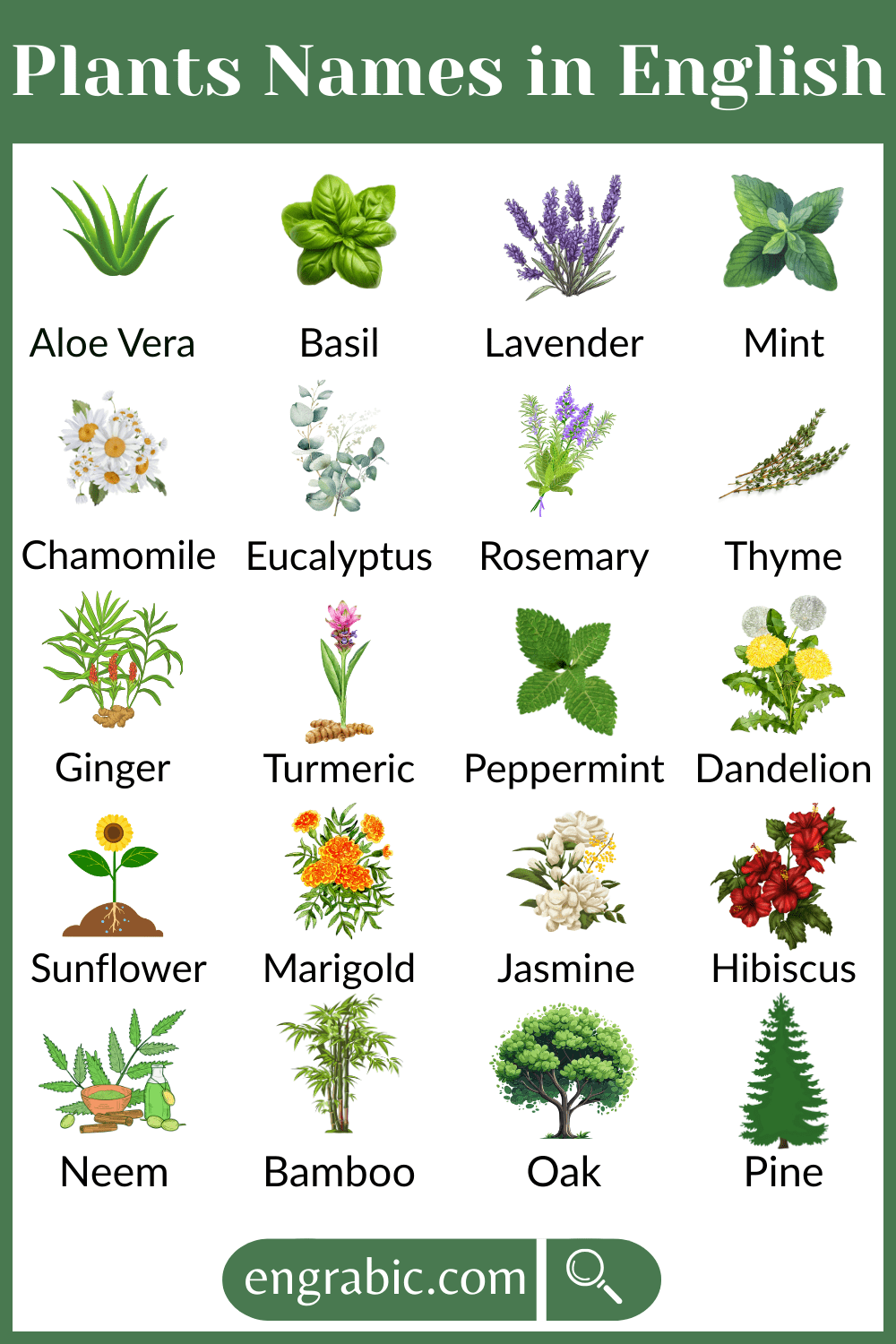
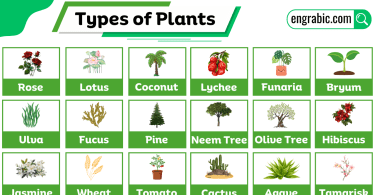
Labeled plant types to help you learn common plants names.
Common Plants Names List
Aloe Vera
A healing plant commonly used in skincare to soothe burns and dryness.

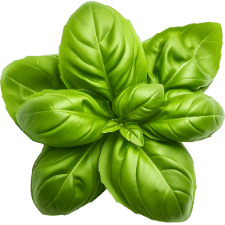
Basil
A fragrant plant that adds flavor to meals and reduces body inflammation.
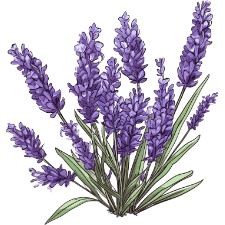
Lavender
A flowering plant known for calming properties and improving restful sleep naturally.
Mint
A refreshing plant that supports digestion and soothes the stomach effectively.

Chamomile
A gentle plant often brewed into tea to relax the mind and body.

Eucalyptus
A powerful plant that clears airways and helps relieve respiratory discomfort.

Rosemary
An aromatic plant that sharpens memory and stimulates natural hair growth.
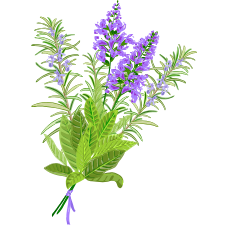
Thyme
A medicinal plant used for immunity support and natural infection prevention.

Ginger
A spicy plant root known for easing nausea and promoting digestion.

Turmeric
A golden plant root that helps reduce inflammation and strengthen immunity.

Peppermint
A cooling plant that refreshes breath and relieves stomach discomfort naturally.
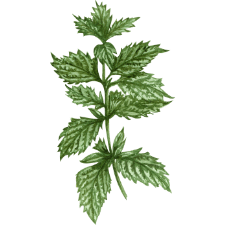
Dandelion
A detoxifying plant that supports liver health and improves overall digestion.

Sunflower
A vibrant plant that produces healthy seeds and brightens gardens beautifully.

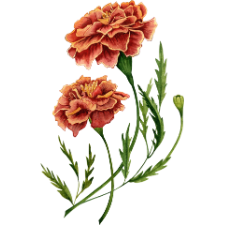
Marigold
A colorful plant used to repel insects and aid in skin healing.
Jasmine
A sweet-smelling plant that reduces stress and is used in perfumes and teas.

Hibiscus
A tropical plant that supports heart health and strengthens hair naturally.

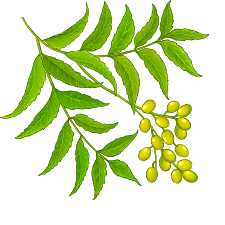
Neem
A medicinal plant known for cleansing skin and purifying the blood.
Bamboo
A fast-growing plant used in furniture, crafts, and eco-friendly products.

Oak
A strong plant species that provides hardwood, shade, and habitat for wildlife.

Pine
A needle-leaved plant known for its cones and respiratory benefits.

Easy Plants Names Beginners Should Know
- Willow
- Maple
- Cactus
- Fern
- Ivy
- Orchid
- Rose
- Lily
- Daisy
- Sage
- Oregano
- Lemon Balm
- Cilantro
- Parsley
- Fennel
- Chives
- Catnip
- Anise
- Bay Leaf
- Clove
- Nutmeg
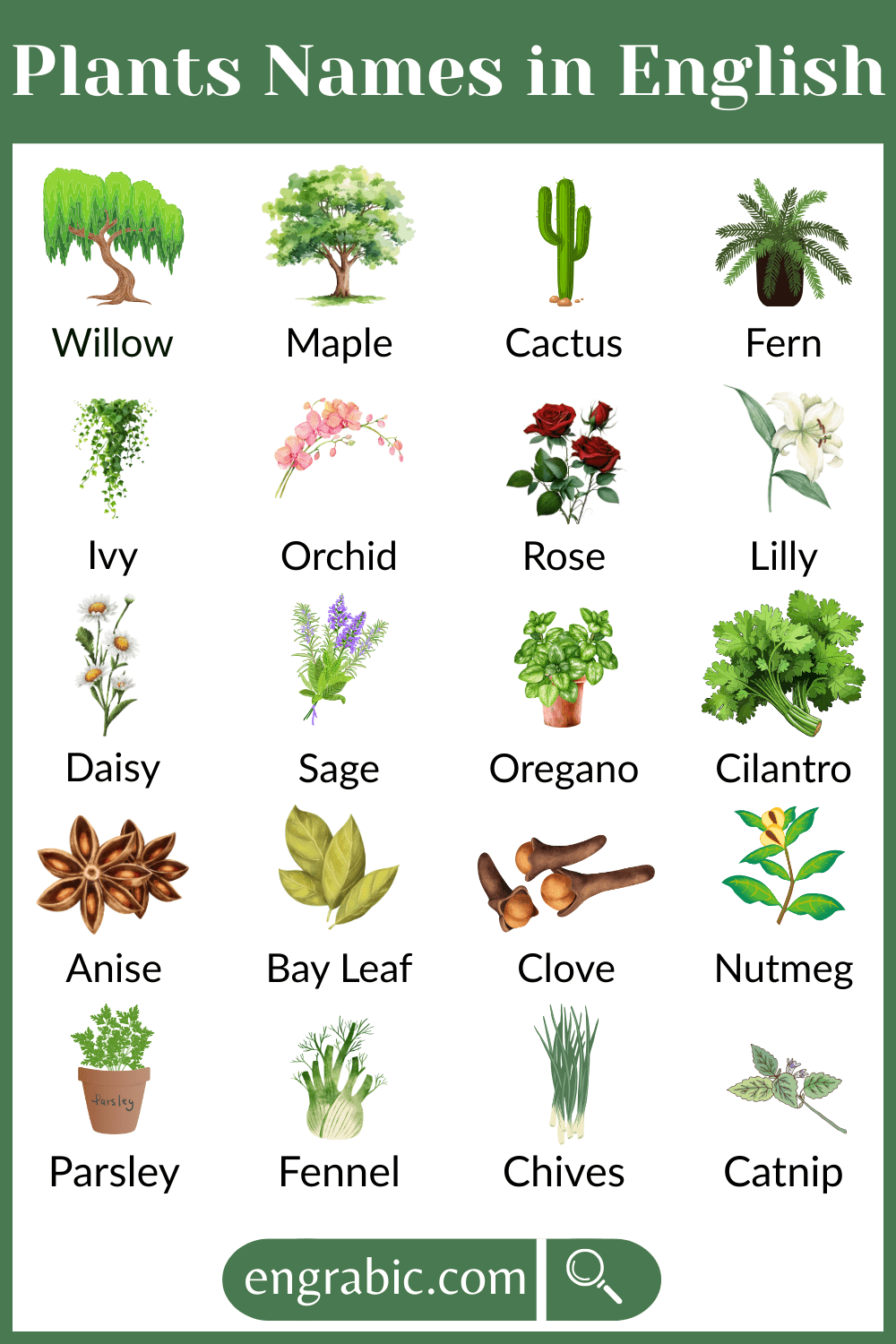
Basic plants shown with names to support early learning.
Plants Names with Visual Guide
Willow
A flexible plant often found near water, offering pain-relieving properties.

Maple
A plant valued for its sweet sap and colorful autumn leaves.

Cactus
A drought-resistant plant that stores water and thrives in hot climates.

Fern
A leafy green plant that thrives in low light and purifies indoor air.

Ivy
A climbing plant often used for wall coverage and outdoor decoration.

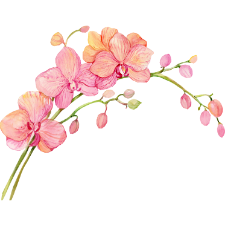
Orchid
A decorative plant admired for its exotic flowers and indoor beauty.
Rose
A classic flowering plant used in skincare, teas, and romantic symbolism.

Lily
A graceful plant symbolizing purity, often featured in floral arrangements.

Daisy
A cheerful flowering plant that brightens gardens and symbolizes innocence.

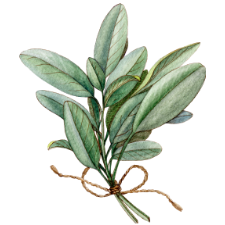
Sage
A sacred plant used in cleansing rituals and digestion-friendly dishes.
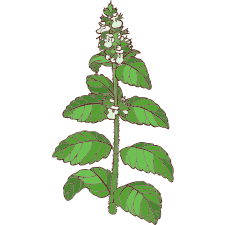
Oregano
A savory plant used in cooking for flavor and natural antibacterial effects.

Lemon Balm
A lemon-scented plant used to reduce stress and support restful sleep.
Cilantro
A flavorful plant that detoxifies the body and enhances savory dishes.
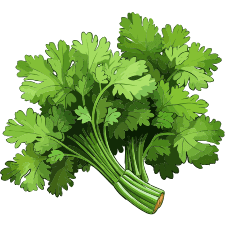
Parsley
A green plant rich in nutrients, often used for garnishing and breath freshening.

Fennel
A sweet plant used to support digestion and hormonal balance naturally.

Chives
A mild plant used to flavor dishes and improve digestion gently.

Catnip
A mint family plant that excites cats and mildly relaxes humans.

Anise
A sweet-flavored plant used for baking and natural digestion remedies.

Bay Leaf
A flavorful plant leaf used in soups to enhance aroma and depth.

Clove
An aromatic plant bud used to ease pain and flavor desserts or teas.
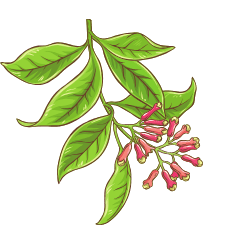
Nutmeg
A warm-spiced plant seed used in cooking and sleep-enhancing home remedies.
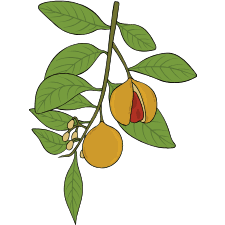
Essential Plant Names for Everyday Life
- Black Pepper
- Cardamom
- Vanilla
- Coffee Plant
- Tea Plant
- Cocoa Tree
- Aloe Ferox
- Amaranth
- Barley
- Rye
- Corn
- Rice
- Flax
- Cotton
- Spinach
- Kale
- Lettuce
- Broccoli
- Cauliflower
- Cabbage
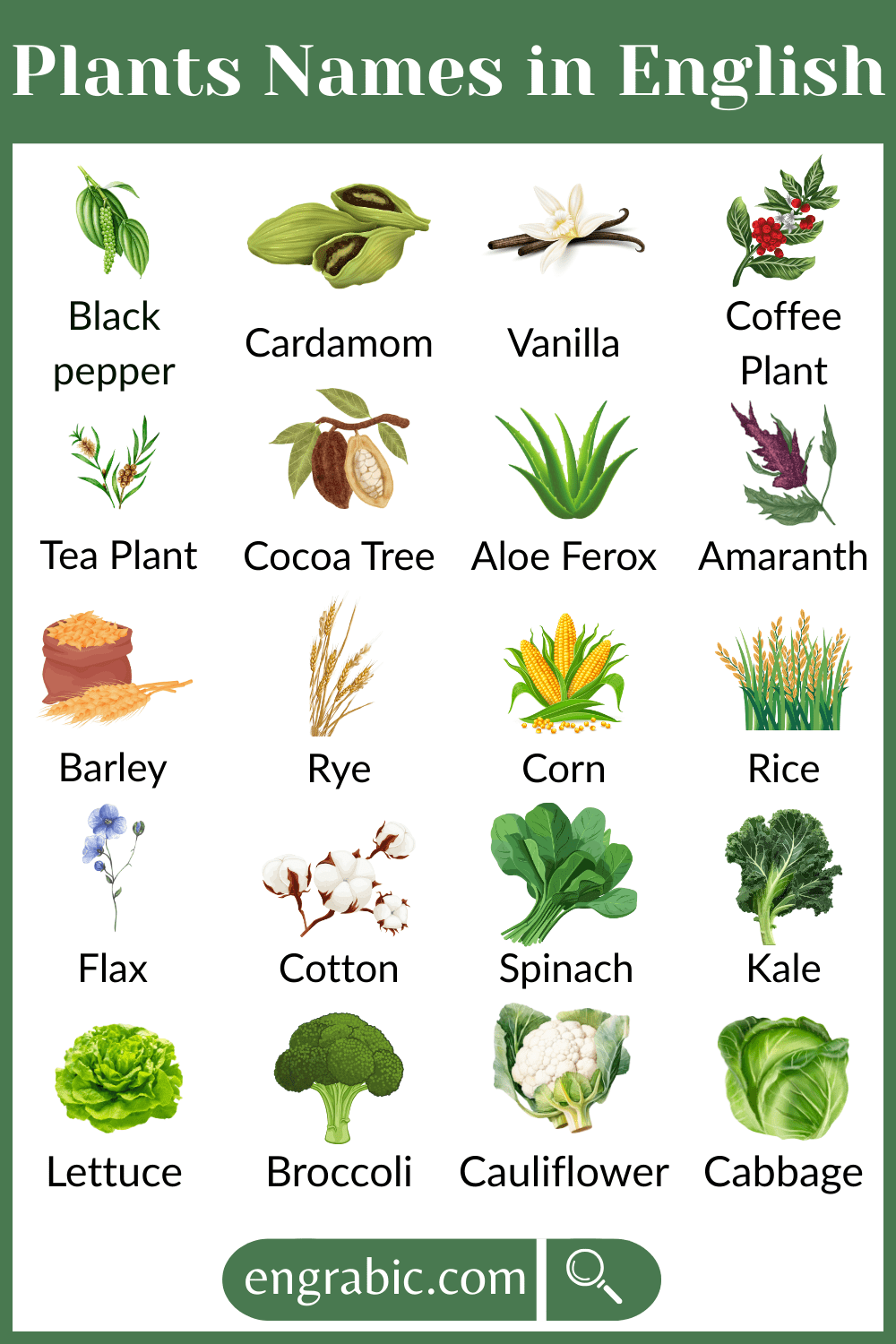
Helpful image to practice and remember different plants names.
Mastering Plant Identification Through Names
Black Pepper
A spicy plant seasoning that aids digestion and improves nutrient absorption.

Cardamom
A fragrant plant pod used in teas and sweets to ease digestion.
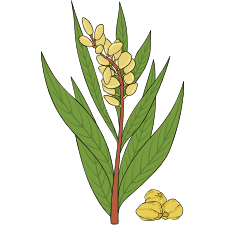
Vanilla
A sweet plant extract from orchid pods, used in baking and drinks.

Coffee Plant
A tropical plant that produces beans used for brewing energizing coffee.

Tea Plant
A green leafy plant whose leaves are brewed into various types of tea.

Cocoa Tree
A tropical plant that produces pods used for making chocolate and cocoa.

Aloe Ferox
A bitter plant used for detox and skin health, stronger than aloe vera.

Amaranth
A grain-producing plant known for its protein content and gluten-free benefits.
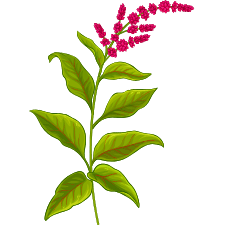
Barley
A cereal plant used in soups, baking, and for its heart-friendly fiber.
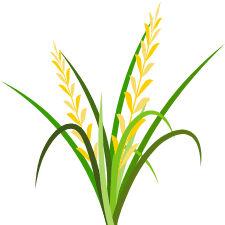
Rye
A hardy plant used in bread-making and improving digestive wellness.

Corn
A tall grain plant consumed as food and used in many industrial products.
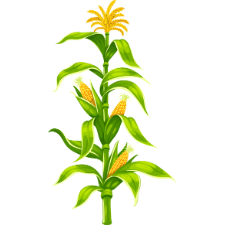
Rice
A globally important plant that provides a carbohydrate-rich staple food source.

Flax
A seed-bearing plant rich in fiber and essential omega-3 fatty acids.

Cotton
A soft-fiber plant grown for textile production and household materials.

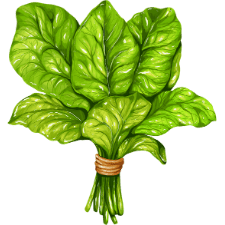
Spinach
A leafy green plant loaded with iron and vital nutrients for health.
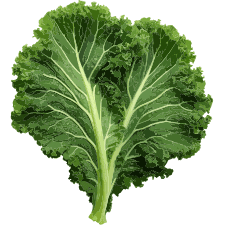
Kale
A superfood plant full of antioxidants, fiber, and immune-boosting vitamins.
Lettuce
A refreshing leafy plant often used in salads and light dishes.

Broccoli
A green plant rich in vitamins and fiber, promoting strong immunity.

Cauliflower
A white plant that’s low-carb, nutritious, and used in many healthy recipes.

Cabbage
A versatile leafy plant used in soups, salads, and gut-friendly diets.

Plants Names for Beginners
- Carrot
- Beetroot
- Radish
- Turnip
- Potato
- Tomato
- Eggplant
- Pea
- Lentil
- Chickpea
- Soybean
- Peanut
- Banana
- Papaya
- Pineapple
- Pomegranate
- Guava
- Kiwi
- Watermelon
- Strawberry
- Raspberry
- Blueberry
- Blackberry
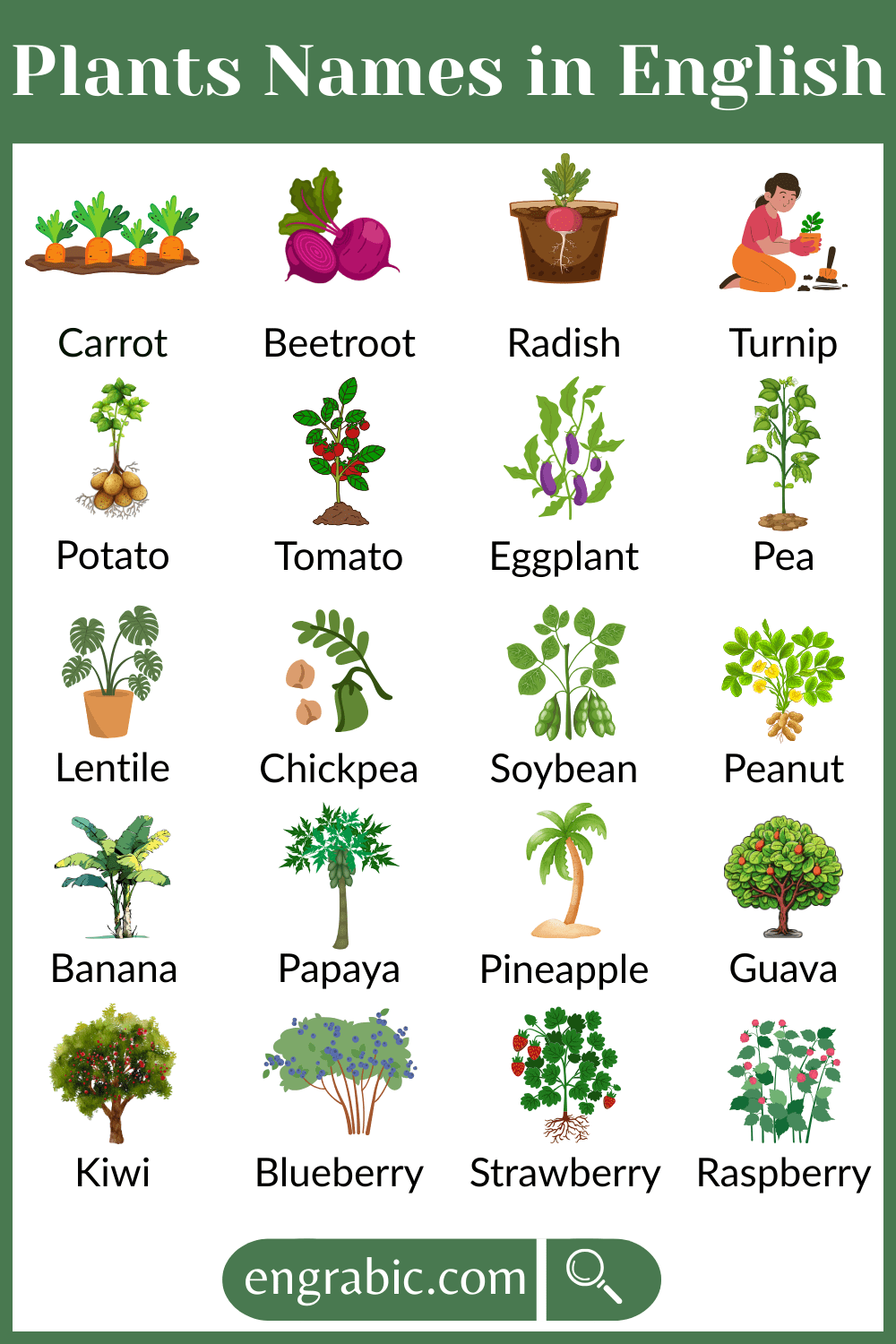
Useful image for understanding plants names with visuals.
Learn Plants Names & Enhance Vocabulary
Carrot
A root plant rich in beta-carotene that supports vision and skin health.

Beetroot
A reddish root plant known to improve circulation and support heart health.

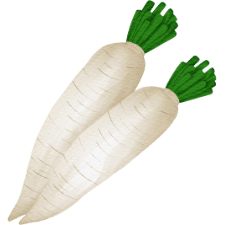
Radish
A crunchy root plant that aids digestion and adds spice to salads.
Turnip
A white root plant often used in stews and detox-friendly diets.

Potato
A starchy root plant commonly used in countless dishes around the world.
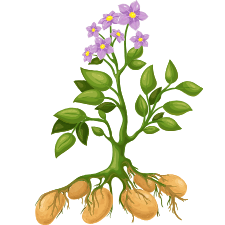
Tomato
A juicy plant fruit used in sauces and salads, rich in lycopene.

Eggplant
A purple plant vegetable known for absorbing flavors in savory meals.

Pea
A green legume plant high in protein and fiber for overall health.
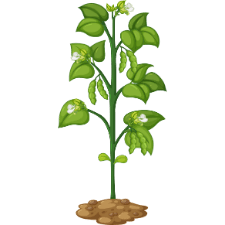
Lentil
A protein-packed plant used in stews and soups to support heart function.

Chickpea
A versatile plant legume used in curry, hummus, and vegetarian protein diets.

Soybean
A protein-rich plant used to produce tofu, soy milk, and meat alternatives.
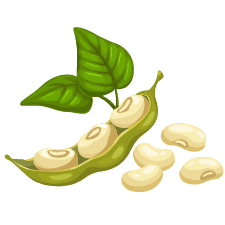
Peanut
A legume plant valued for its oil, protein content, and snackability.

Banana
A tropical plant that produces fruit rich in potassium and quick energy.
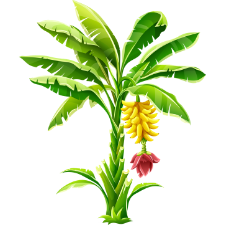
Papaya
A tropical plant with fruit that supports digestion and skin rejuvenation.

Pineapple
A juicy tropical plant that boosts immunity and supports digestive enzymes.

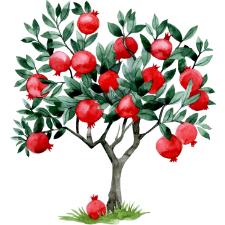
Pomegranate
A red-seeded fruit plant known for antioxidants and heart-healthy properties.
Guava
A vitamin-rich fruit plant that strengthens immunity and promotes clear skin.

Kiwi
A green-fleshed fruit plant packed with vitamin C and digestive benefits.

Watermelon
A hydrating plant fruit perfect for cooling the body in hot weather.

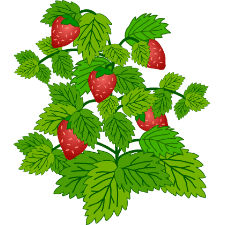
Strawberry
A sweet red plant fruit loved for taste and rich vitamin C content.
Raspberry
A soft berry plant high in fiber and useful for blood sugar balance.

Blueberry
A small berry plant packed with antioxidants that support brain and skin health.

Blackberry
A dark berry plant known for its high antioxidant content and immune support.

Conclusion
Mastering plants names improves your knowledge of nature and healthy living. Learning the names of plants builds useful vocabulary and confidence. Clear understanding helps you identify and discuss various plant species easily.
FAQs
Q: Why is learning plants names important?
A: Knowing plants names helps identify species, improves nature awareness, and supports learning in gardening, health, and environment topics.
Q: What are some common plants names to start with?
A: Begin with names like Rose, Aloe Vera, Tulsi, Money Plant, and Neem—these are widely seen and easy to recognize.
Q: How can pictures help in learning plants names?
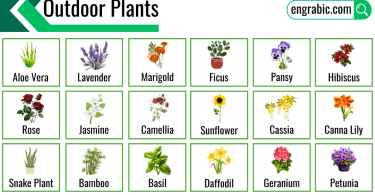
A: Images connect visual memory with the name, making it easier to recognize and recall plants accurately in real-life settings.
Q: Are plant names useful for kids and students?
A: Yes, learning plant names builds vocabulary, encourages observation, and helps in science and environmental education.
Q: Can knowing different types of plants improve daily life?
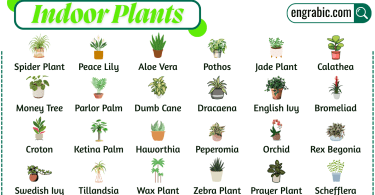
A: Absolutely. It helps in selecting indoor plants, cooking with herbs, and understanding the use of medicinal or air-purifying plants.
Q: How do plant categories help in learning names better?
A: Classifying plants into types like herbs, shrubs, and trees organizes knowledge and makes memorization easier and more logical.
Q: Is this guide helpful for ESL learners too?
A: Yes, it’s perfect. Picture-supported learning of plant names strengthens language skills and improves vocabulary for non-native speakers.
Also Read:
Leave a Comment