
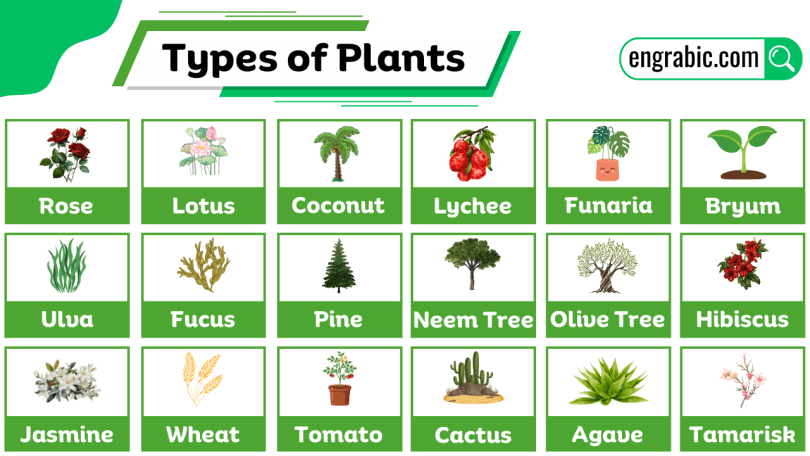
Learning the types of plants builds real-world vocabulary, improves word recall, and strengthens concept clarity. This post helps you identify, name, and group plants with images, using topic-based words that match daily learning goals. You’ll understand plant categories using basic terms, made simple for beginners and useful for long-term learning. Most common types of plants are listed below.
Contents
What are the Different Types of Plants?
- Flowering Plants (Angiosperms)
- Non-Flowering Plants (Gymnosperms)
- Trees
- Shrubs
- Herbs
- Climbers
- Creepers
- Aquatic Plants
- Deserted Plants
1. Flowering Plants (Angiosperms)
These are the most common types of plants. They bear flowers and produce seeds enclosed within fruits. Learning their parts and types helps build essential vocabulary related to nature, gardening, and everyday descriptive language.
Examples of Flowering Plants with Pictures
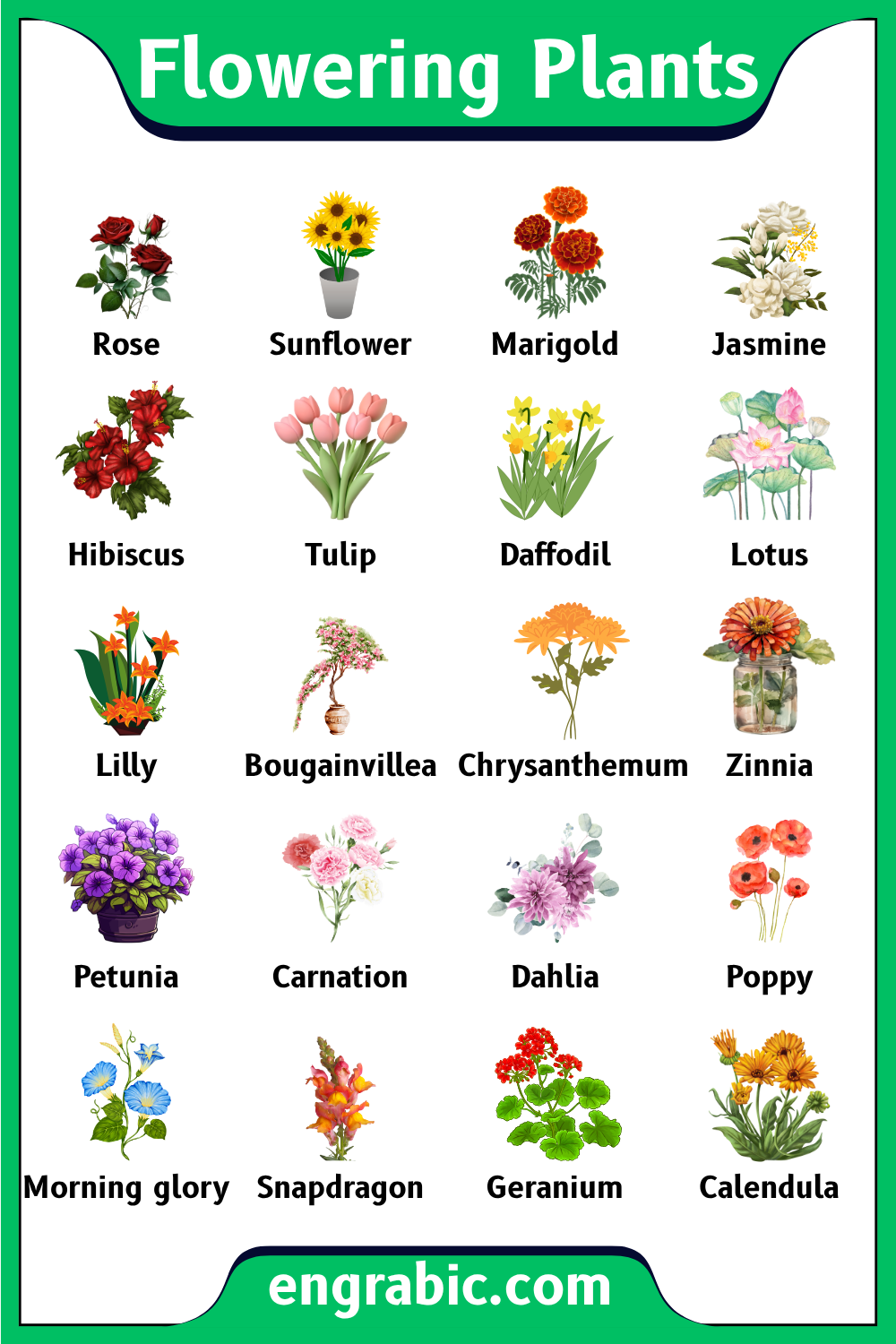
A variety of flowering plants showing color and shape differences
- Rose
- Sunflower
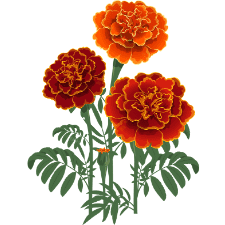
- Marigold
- Jasmine
- Hibiscus
- Tulip
- Daffodil
- Lotus
- Lily
- Bougainvillea
- Lavender
- Chrysanthemum
- Zinnia
- Petunia
- Carnation
- Dahlia
- Poppy
- Morning Glory
- Snapdragon
- Geranium
- Calendula
- Foxglove
- Salvia
- Cosmos
- Gladiolus
- Peony
- Aster
- Anemone
- Freesia
- Camellia
What Are Angiosperms and Their Role in Types of Plants
- Rose
A red or pink flower with thorns and a sweet smell.

- Sunflower
A tall yellow flower that turns toward the sun.

- Marigold
A bright orange or yellow flower used in festivals.
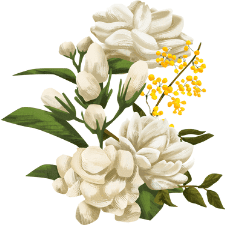
- Jasmine
A small white flower with a strong, sweet scent.
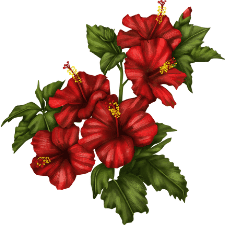
- Hibiscus
A big tropical flower, red or pink, often found on shrubs or trees.
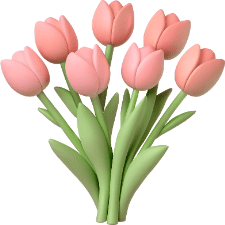
- Tulip
A cup-shaped flower in many colors, blooming in spring.
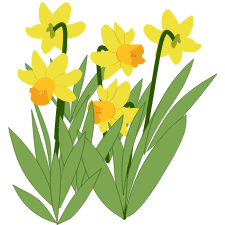
- Daffodil
A yellow spring flower with a trumpet-shaped center.
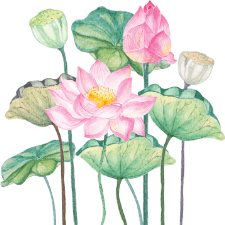
- Lotus
A pink or white flower that floats on water.
- Lily
A large, fragrant flower with long petals, often white.
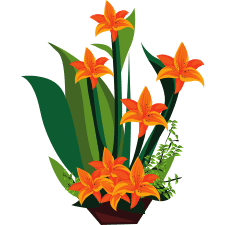
- Bougainvillea
A colorful flowering plant with paper-like pink or purple petals.
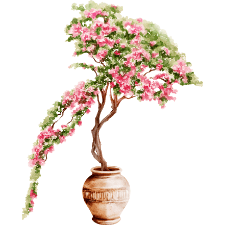
- Chrysanthemum
A full, round flower in many colors, common in fall.
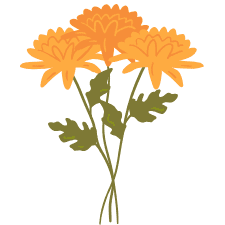
- Zinnia
A bright, daisy-like flower that grows in summer.
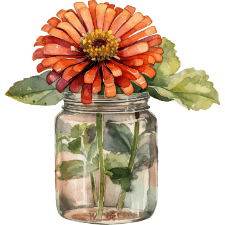
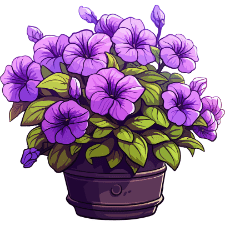
- Petunia
A soft, trumpet-shaped flower in many colors.
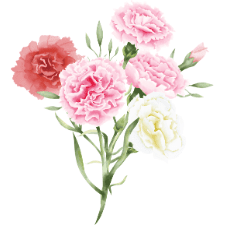
- Carnation
A frilly flower often used in bouquets and gifts.
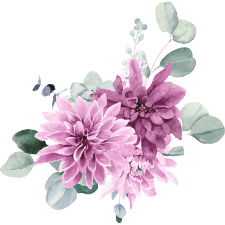
- Dahlia
A round flower with many layers of petals.
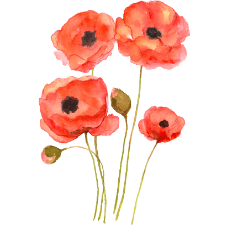
- Poppy
A soft, colorful flower with black center, often red.
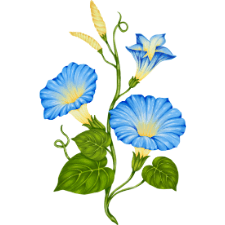
- Morning Glory
A flower that opens in the morning and climbs on fences.
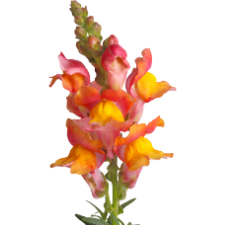
- Snapdragon
A colorful flower shaped like a dragon’s mouth.
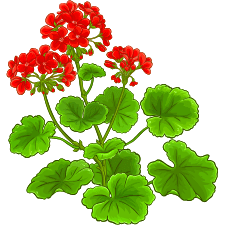
- Geranium
A red or pink flower with round leaves, used in pots.
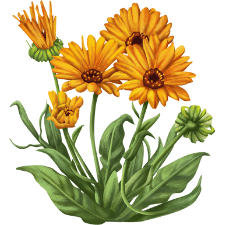
- Calendula
A yellow or orange flower, also called pot marigold.
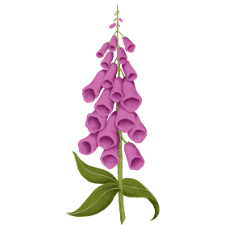
- Foxglove
A tall plant with bell-shaped flowers, often purple.
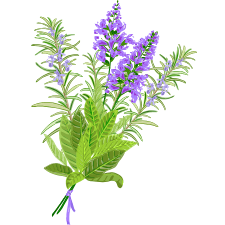
- Salvia
A long flower spike with small purple or red flowers.
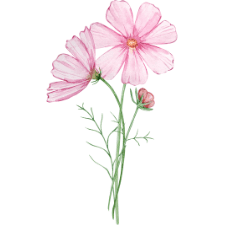
- Cosmos
A daisy-like flower with thin petals, often pink or white.
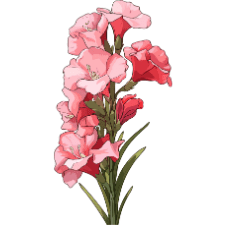
- Gladiolus
A tall plant with flowers on one side of the stem.
- Peony
A large, soft flower with many petals, often pink.

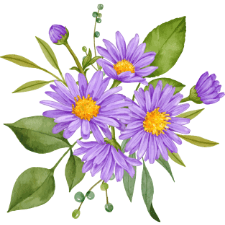
- Aster
A small, star-shaped flower seen in late summer.
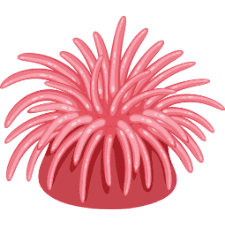
- Anemone
A soft, delicate flower with a dark center.
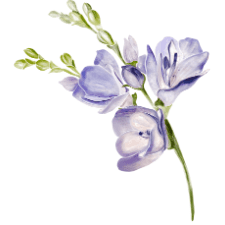
- Freesia
A small, sweet-smelling flower in bright colors.
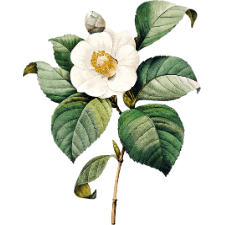
- Camellia
A shiny-leaved plant with red or pink rose-like flowers.
Common Flowering Trees List with Pictures
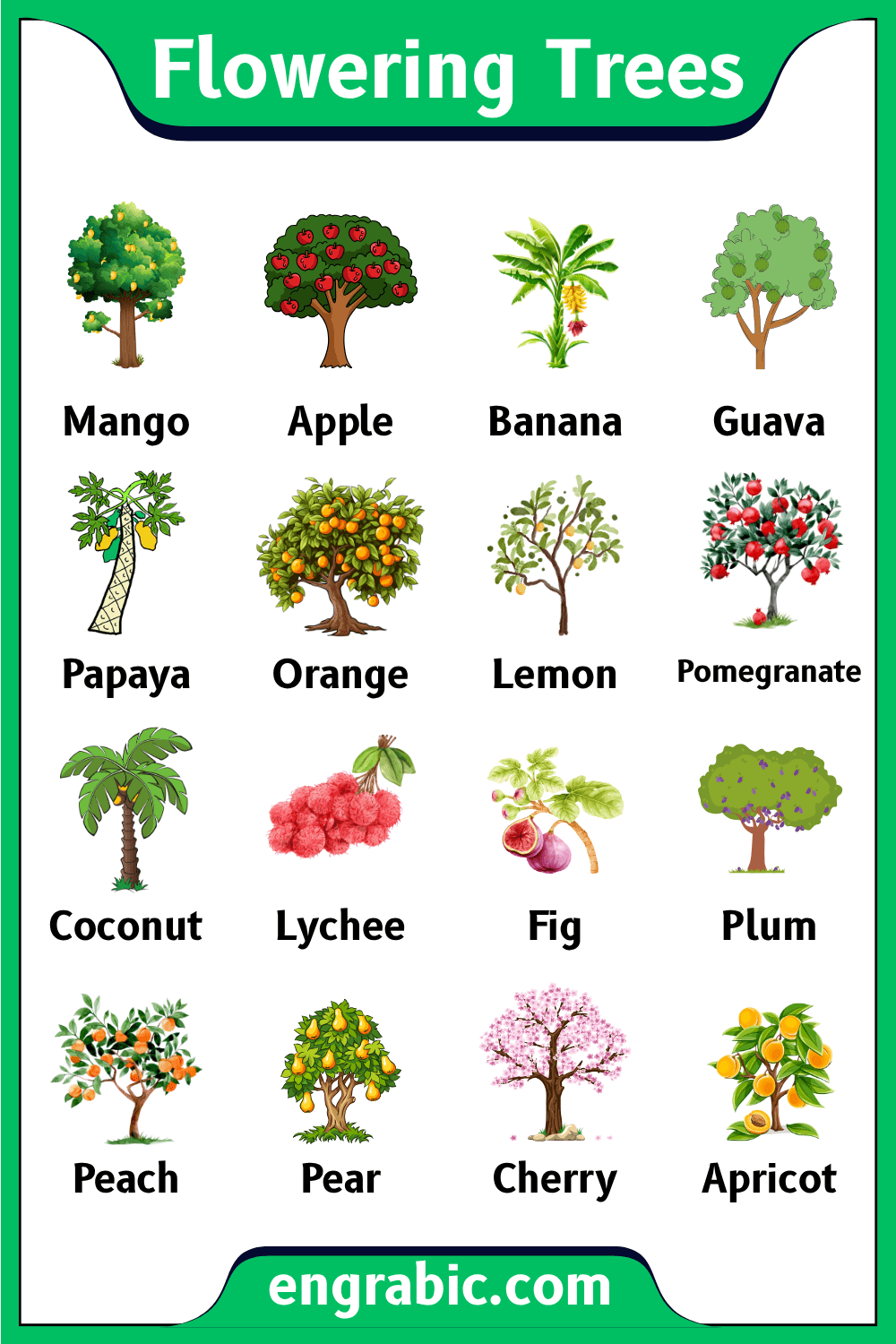
Vocabulary image for types of flowering trees
- Mango
- Apple
- Banana
- Guava
- Papaya
- Orange
- Lemon
- Pomegranate
- Coconut
- Lychee
- Fig
- Plum
- Peach
- Pear
- Cherry
- Apricot
Fruit-Bearing Trees as Important Types of Plants
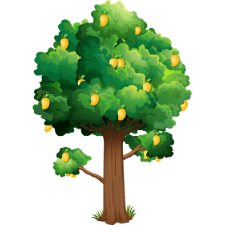
- Mango
A tropical tree that gives sweet yellow fruits in summer.
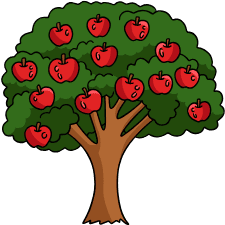
- Apple
A cold-climate tree with round red or green fruits.
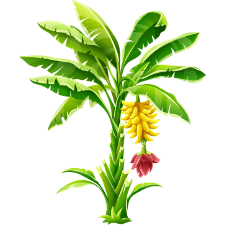
- Banana
A fast-growing plant that bears long, curved yellow fruits.
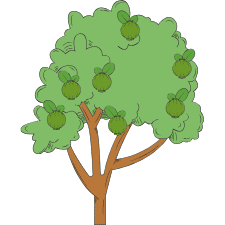
- Guava
A tropical tree with green or yellow fruits and pink or white flesh.
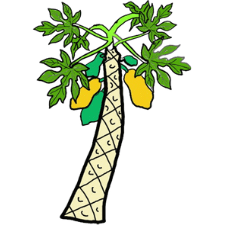
- Papaya
A tree with soft orange fruits and black seeds inside.
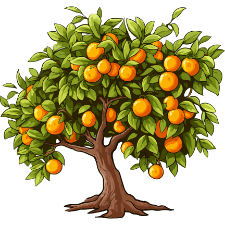
- Orange
A citrus tree with juicy, round, orange-colored fruits.
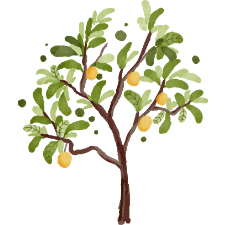
- Lemon
A small tree with sour yellow fruits used in drinks and food.
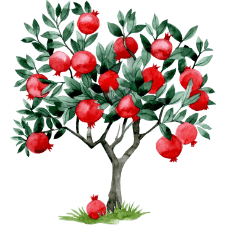
- Pomegranate
A tree with red skin fruit full of juicy seeds.
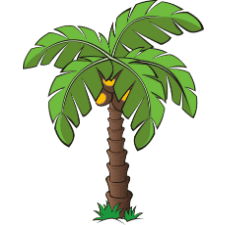
- Coconut
A tall palm tree with hard-shelled fruit and sweet white flesh.
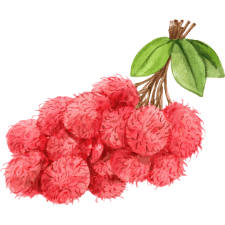
- Lychee
A tropical tree with small red fruits and sweet white pulp.
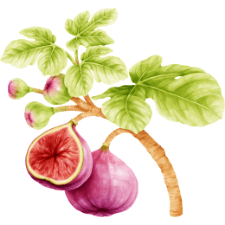
- Fig
A tree with soft purple or green fruit full of tiny seeds.
- Plum
A fruit tree that gives sweet and juicy round purple fruits.
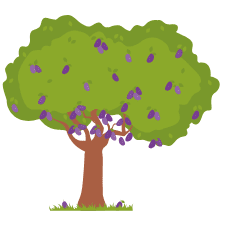
- Peach
A tree with soft, fuzzy fruit that is yellow or pink inside.
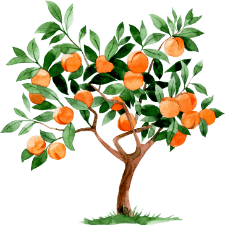
- Pear
A tree that gives sweet, green or yellow fruit shaped like a bell.
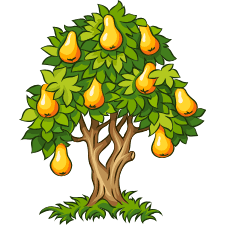
- Cherry
A small tree with red, juicy, sweet or sour round fruits.
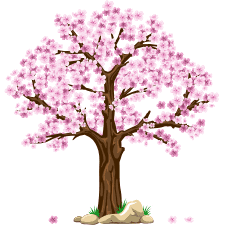
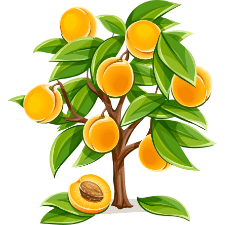
- Apricot
A tree with soft, orange fruit, sweet and juicy when ripe.
2. Non-Flowering Plants (Gymnosperms)
These plants do not produce flowers. They reproduce through spores or other non-floral methods.
Non-Flowering Types of Plants Explained
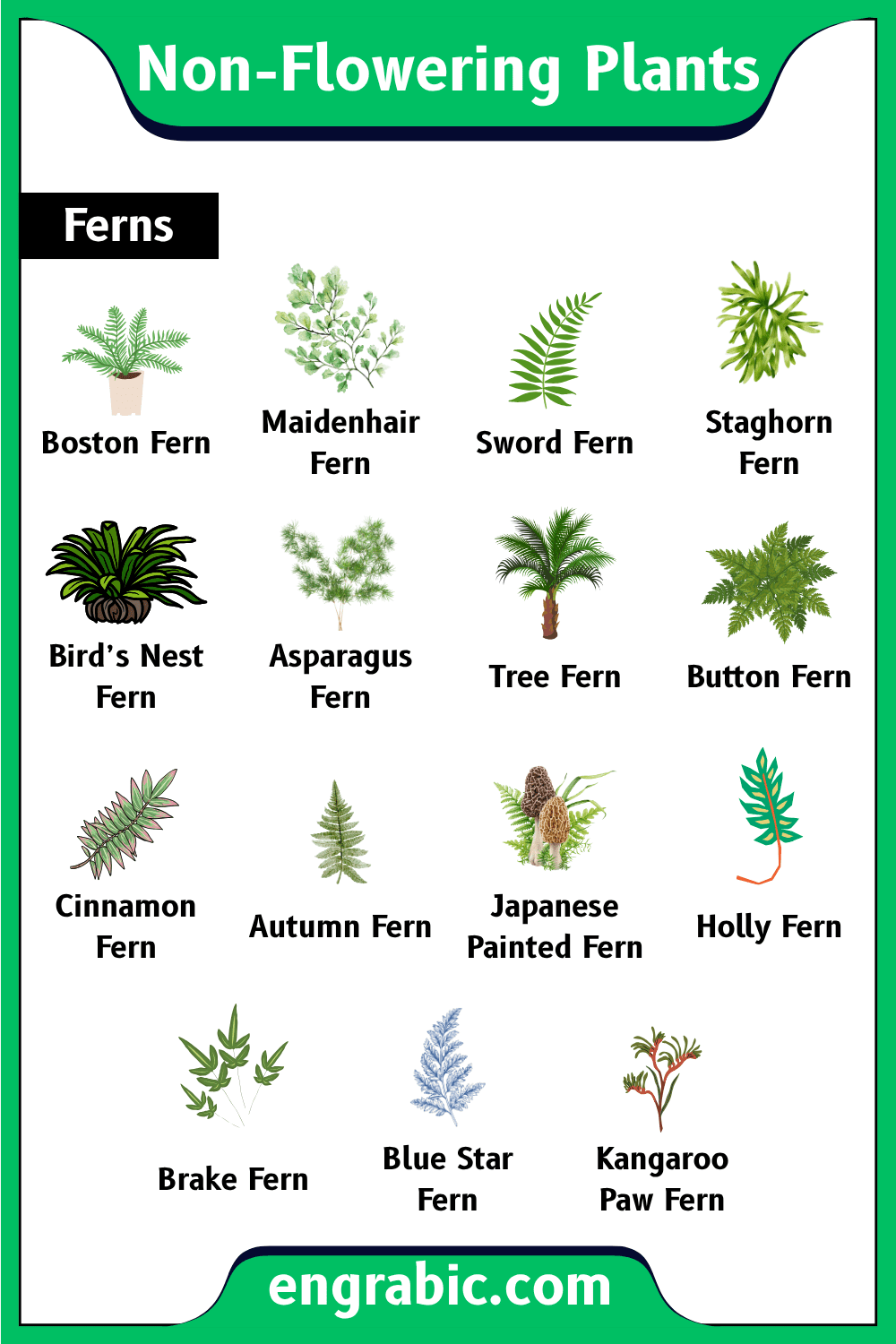
A labeled picture showing Non-Flowering Types of Plants
- Ferns:
- Boston Fern
- Maidenhair Fern
- Sword Fern
- Staghorn Fern
- Bird’s Nest Fern
- Asparagus Fern
- Tree Fern
- Button Fern
- Cinnamon Fern
- Autumn Fern
- Japanese Painted Fern
- Holly Fern
- Kangaroo Paw Fern
- Blue Star Fern
- Brake Fern
Non-Flowering Types of Plants with Picture Examples
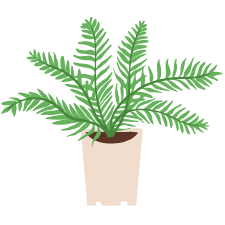
- Boston Fern
A popular indoor fern with long, arching green fronds.
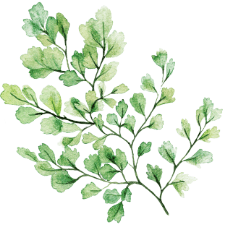
- Maidenhair Fern
A delicate fern with thin black stems and soft, lacy leaves.
- Sword Fern
A tough fern with upright, sword-shaped green leaves.
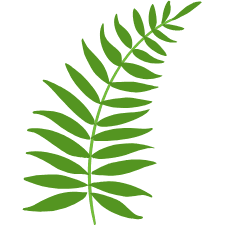
- Staghorn Fern
A unique fern with leaves shaped like deer antlers.
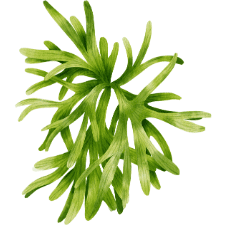
- Bird’s Nest Fern
A wide-leaf fern that looks like a nest, often grown indoors.
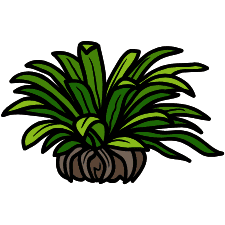
- Asparagus Fern
A light, airy fern with fine leaves, often used in decoration.
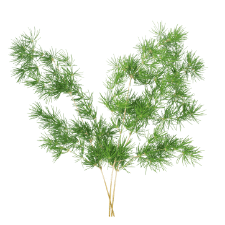
- Tree Fern
A tall fern that grows like a small tree with a woody trunk.

- Button Fern
A small fern with round, dark green leaflets along thin stems.
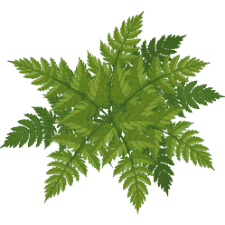
- Cinnamon Fern
A fern with tall green leaves and cinnamon-colored spore spikes.
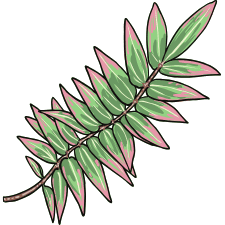
- Autumn Fern
A fern with coppery-red young leaves that turn green with age.
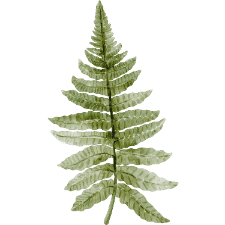
- Japanese Painted Fern
A colorful fern with silver, green, and purple leaves.
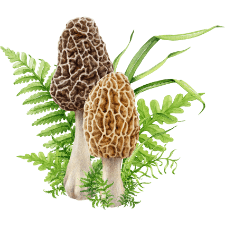
- Holly Fern
A fern with thick, shiny leaves that look like holly.
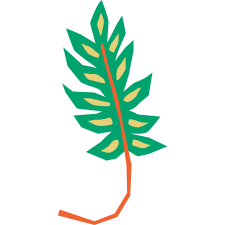
- Kangaroo Paw Fern
A hardy fern with thick, shiny, oddly-shaped leaves.
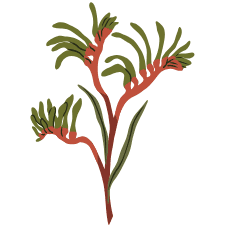
- Blue Star Fern
A tropical fern with wavy, bluish-green leaves.
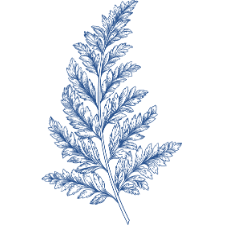
- Brake Fern
A group of ferns with narrow, split leaves and strong growth.
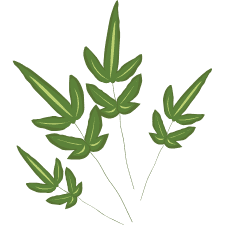
Learn Non-Flowering Types of Plants with Pictures
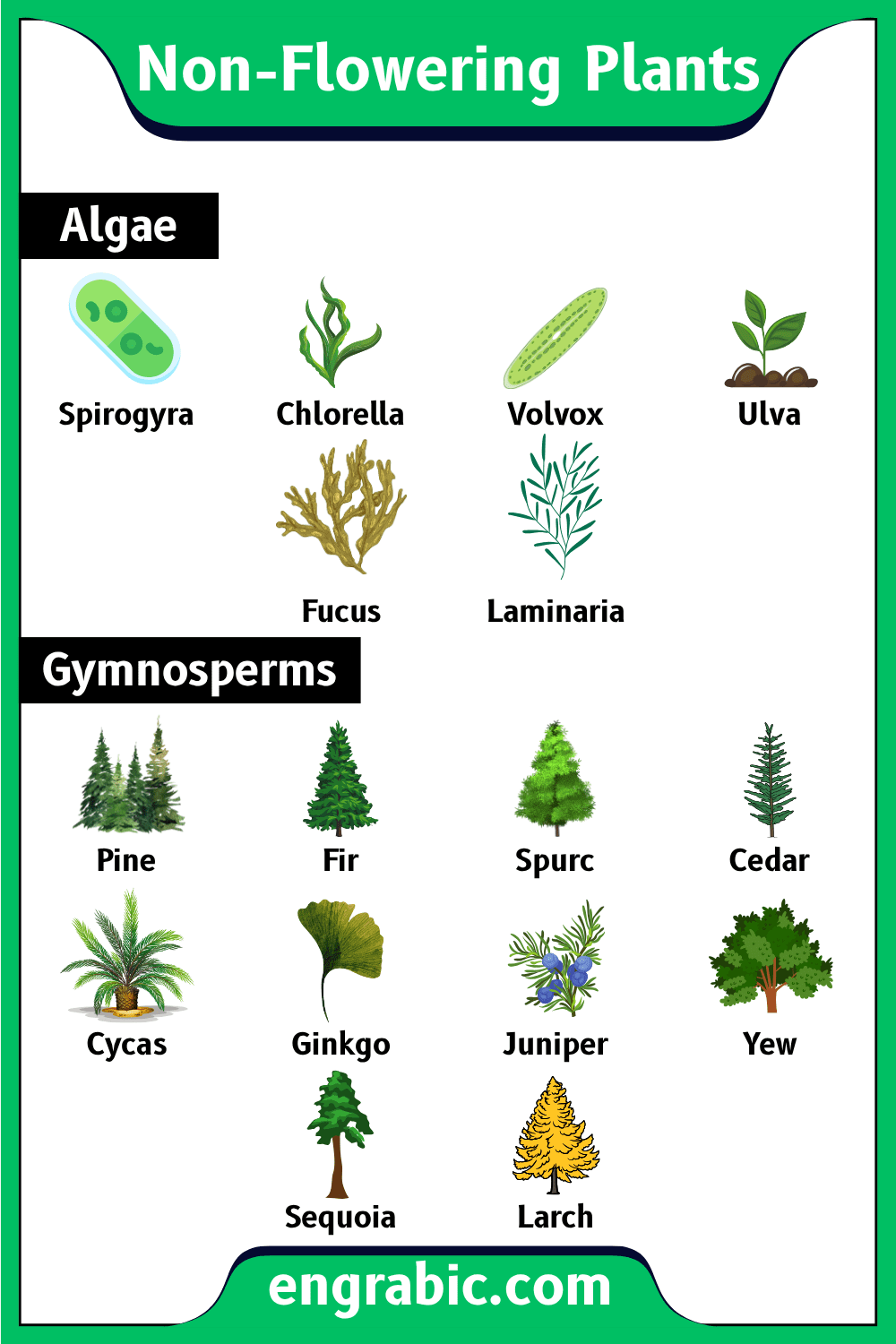
Pine and fir trees as examples of non-flowering types of plants
- Algae:
- Spirogyra
- Chlorella
- Volvox
- Ulva
- Fucus
- Laminaria
- Spirogyra
A green, spiral-shaped algae found in freshwater.

- Chlorella
A tiny, green algae used as a health supplement.
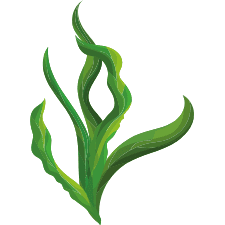
- Volvox
A spherical algae made up of many cells that move together.
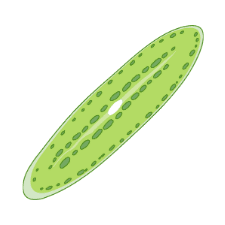
- Ulva
A green seaweed that looks like lettuce and grows in oceans.
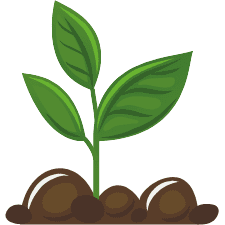
- Fucus
A brown seaweed often found attached to rocks near the shore.
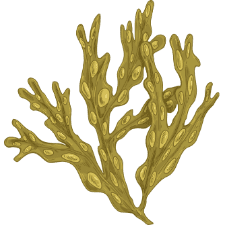
- Laminaria
A large brown seaweed, also called kelp, used in food and medicine.
- Gymnosperms (seed-producing but non-flowering):
- Pine
- Fir
- Spruc
- Cedar
- Cycas
- Ginkgo
- Juniper
- Yew
- Sequoia
- Larch
- Pine
A tall tree with long needles and cones.
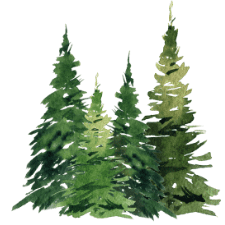
- Fir
A tree with soft, flat needles and upright cones.
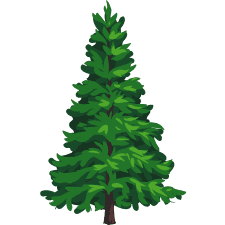
- Spruce
A tree with sharp, square needles and hanging cones.
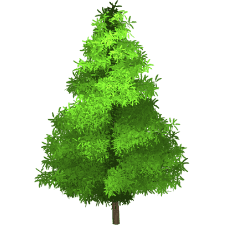
- Cedar
A large evergreen tree with fragrant wood and needle clusters.
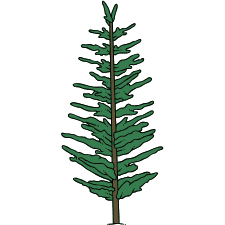
- Cycas
A palm-like plant with stiff, feather-like leaves.
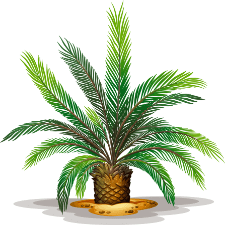
- Ginkgo
A tree with fan-shaped leaves and a unique ancient history.
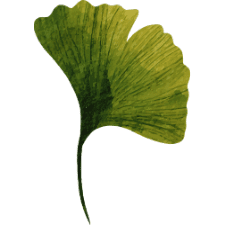
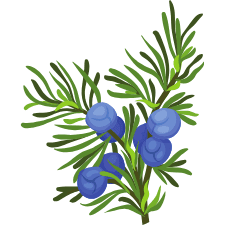
- Juniper
A shrub or small tree with needle-like leaves and berry-like cones.
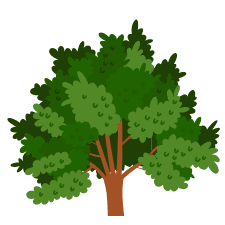
- Yew
A slow-growing tree with dark green needles and red berries.
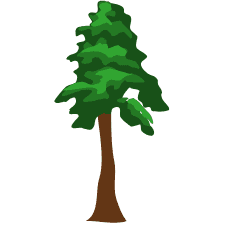
- Sequoia
One of the tallest trees, with thick bark and tiny needles.
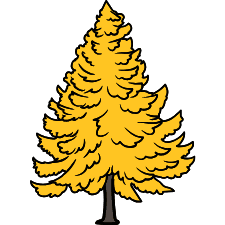
- Larch
A tree that loses its needles in winter, unlike most conifers.
3. Trees
Large, tall plants with a thick trunk and branches.
Exploring Tree-Based Types of Plants with Pictures
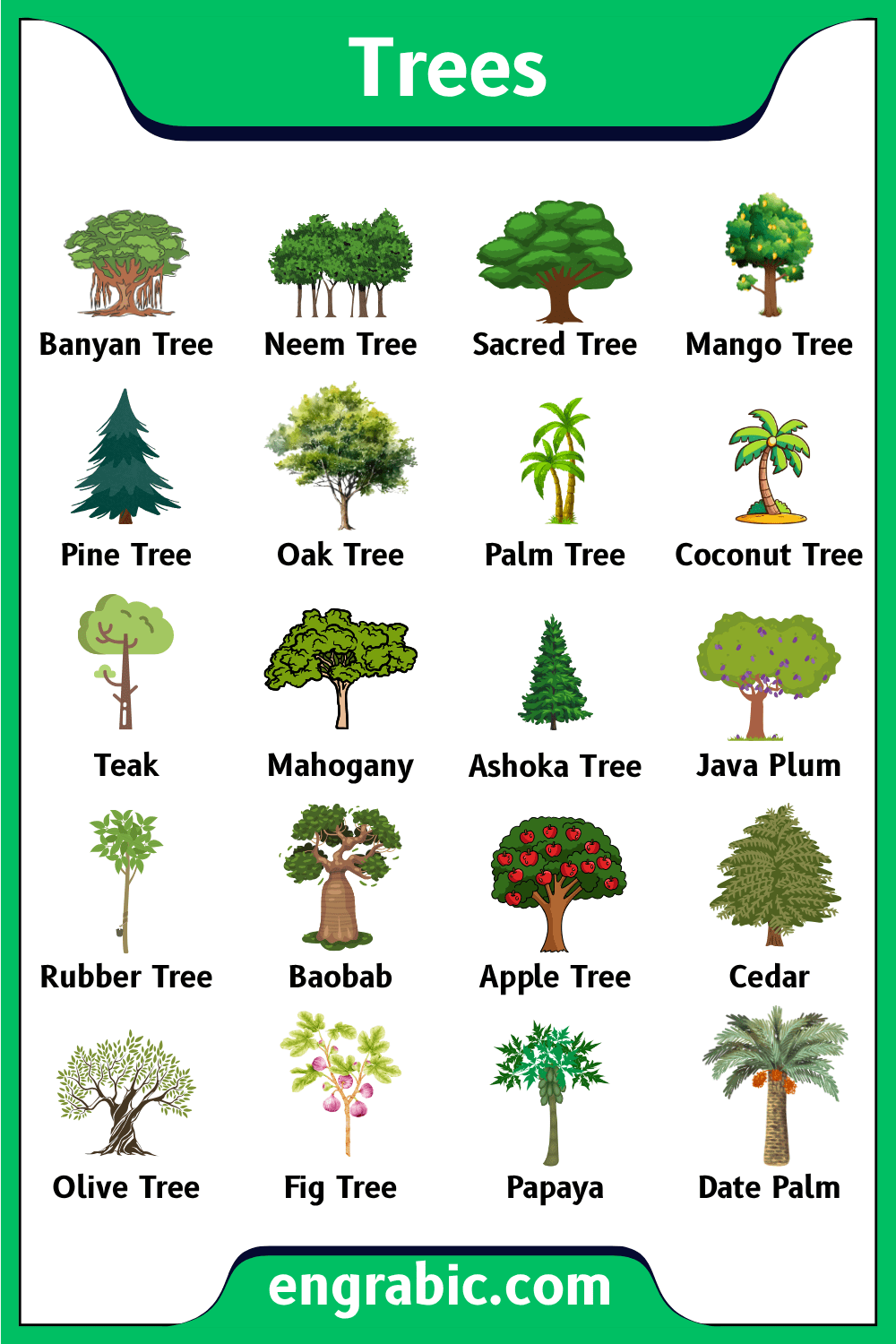
Vocabulary-focused image of tree types in nature
- Banyan Tree
- Neem Tree
- Sacred Tree
- Mango Tree
- Pine Tree
- Oak Tree
- Palm Tree
- Coconut Tree
- Teak
- Mahogany
- Ashoka Tree
- Java Plum
- Rubber Tree
- Baobab
- Apple
- Cedar Tree
- Olive Tree
- Fig Tree
- Papaya Tree
- Date Palm
Types of Plants: Trees with Picture Examples
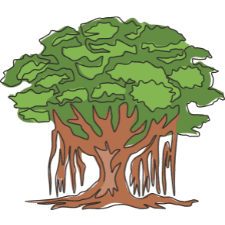
- Banyan Tree
A large tree with aerial roots that spread widely.
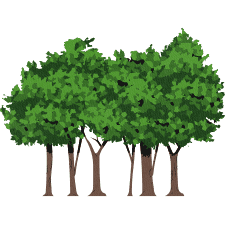
- Neem Tree
A tree known for its medicinal leaves and bitter taste.
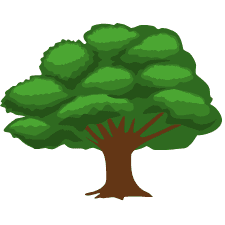
- Sacred Tree
A sacred tree heart-shaped leaves and religious importance.
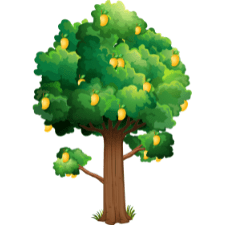
- Mango Tree
A tropical tree that produces sweet, juicy mangoes.
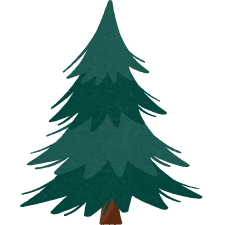
- Pine Tree
An evergreen tree with needle-like leaves and cones.
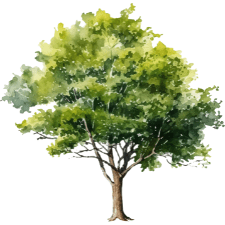
- Oak Tree
A strong tree with lobed leaves and acorns.
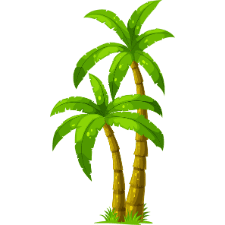
- Palm Tree
A tropical tree with a tall trunk and fan-like leaves.
- Coconut Tree
A tropical tree producing coconuts used for food and oil.

- Teak
A hardwood tree used in furniture making.
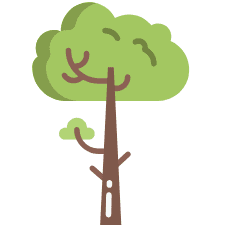
- Mahogany
A tree producing valuable reddish-brown timber.
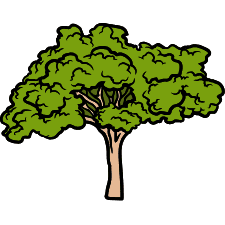
- Ashoka Tree
A flowering tree with bright orange or red flowers.
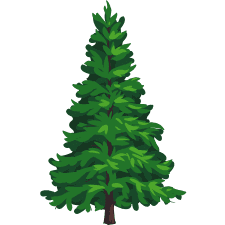
- Java Plum
A tree that bears small, dark purple edible berries.
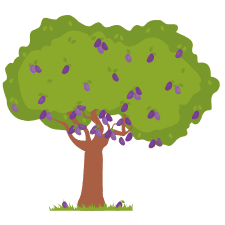
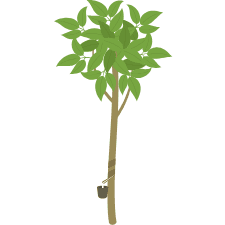
- Rubber Tree
A tree tapped for latex used to make rubber.
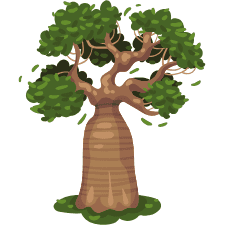
- Baobab
A huge tree with a thick trunk that stores water.
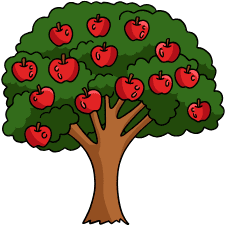
- Apple Tree
A tree that grows sweet, crunchy apples.
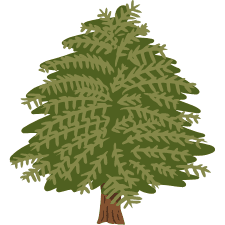
- Cedar
A large evergreen tree with fragrant wood.
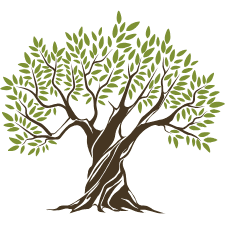
- Olive Tree
A tree known for its small green or black olives.
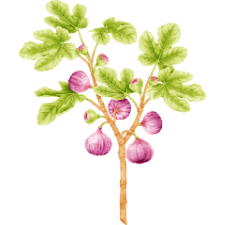
- Fig Tree
A tree that produces soft, sweet figs.
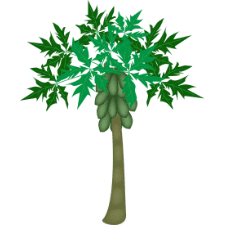
- Papaya Tree
A small tree producing sweet, orange papayas.
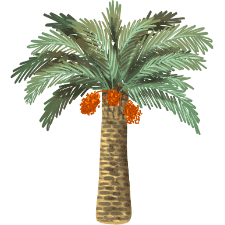
- Date Palm
A palm tree that produces sweet edible dates.
4. Shrubs
Shorter than trees but with woody stems; usually bushy and dense.
Common Types of Shrubs
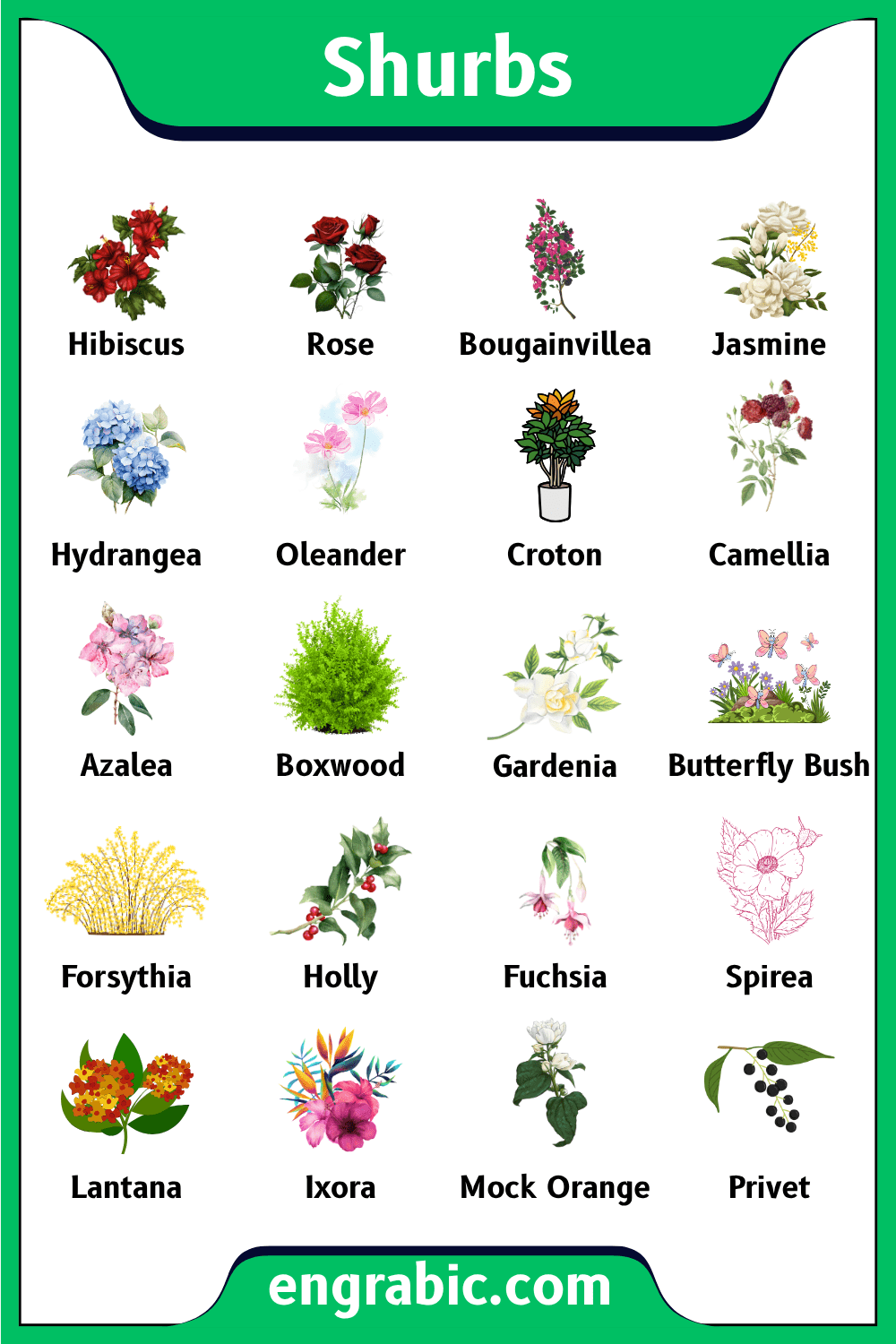
A labeled image of common shrubs for vocabulary practice
- Hibiscus
- Rose
- Bougainvillea
- Jasmine
- Hydrangea
- Oleander
- Croton
- Camellia
- Azalea
- Boxwood
- Gardenia
- Butterfly Bush
- Forsythia
- Holly
- Fuchsia
- Spirea
- Lantana
- Ixora
- Mock Orange
- Privet
Different Types of Shrubs with Pictures
- Hibiscus
A shrub with large, colorful, trumpet-shaped flowers.
- Rose
A woody shrub known for fragrant, beautiful flowers.

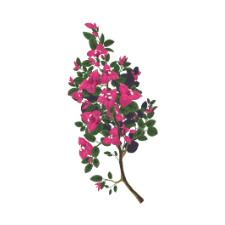
- Bougainvillea
A climbing shrub with bright, papery flowers.
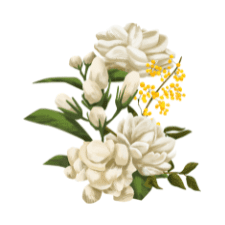
- Jasmine
A shrub with small, white, sweet-smelling flowers.
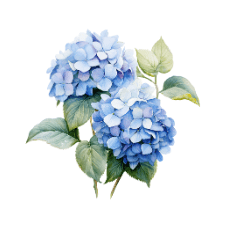
- Hydrangea
A shrub with large clusters of pink or blue flowers.
- Oleander
A hardy shrub with long, narrow leaves and showy flowers.
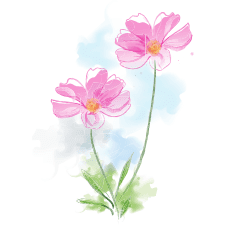
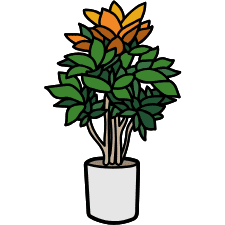
- Croton
A shrub known for its colorful, variegated leaves.
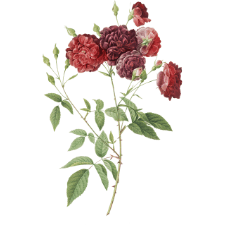
- Camellia
A shrub with glossy leaves and large, rose-like flowers.
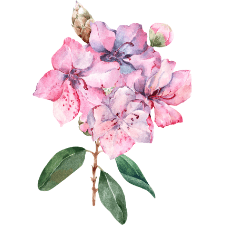
- Azalea
A flowering shrub with bright, bell-shaped flowers.
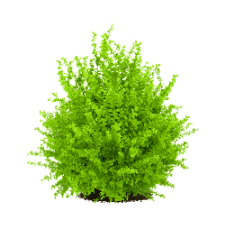
- Boxwood
A dense shrub with small, dark green leaves used in hedges.
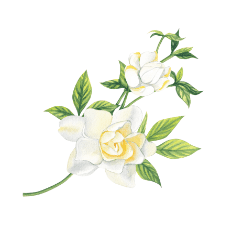
- Gardenia
A shrub with fragrant, white waxy flowers.
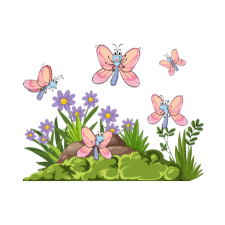
- Butterfly Bush
A shrub with long flower spikes that attract butterflies.
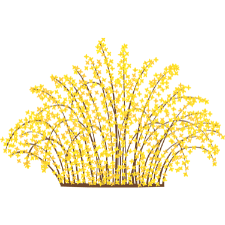
- Forsythia
A shrub with bright yellow flowers in early spring.
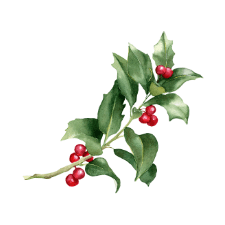
- Holly
A shrub with shiny, spiky leaves and red berries.
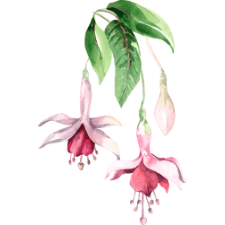
- Fuchsia
A shrub with hanging, bell-shaped flowers in bright colors.
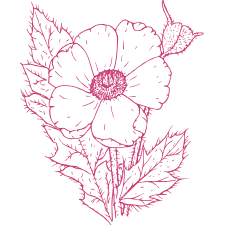
- Spirea
A shrub with small white or pink flowers in clusters.
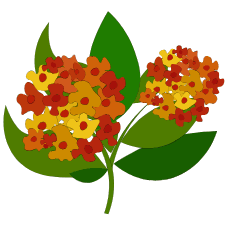
- Lantana
A shrub with clusters of small, colorful flowers.
- Ixora
A shrub with dense clusters of tiny red or orange flowers.
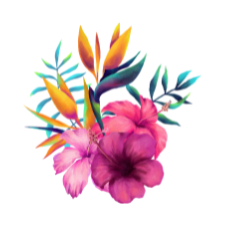
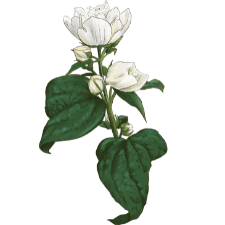
- Mock Orange
A shrub with white, citrus-scented flowers.
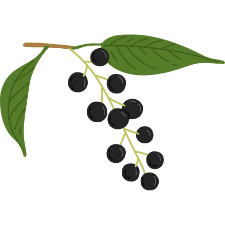
- Privet
A fast-growing shrub often used for hedges.
5. Herbs
Small, soft-stemmed plants that live for one or two seasons.
Popular Herb Varieties in Daily Use
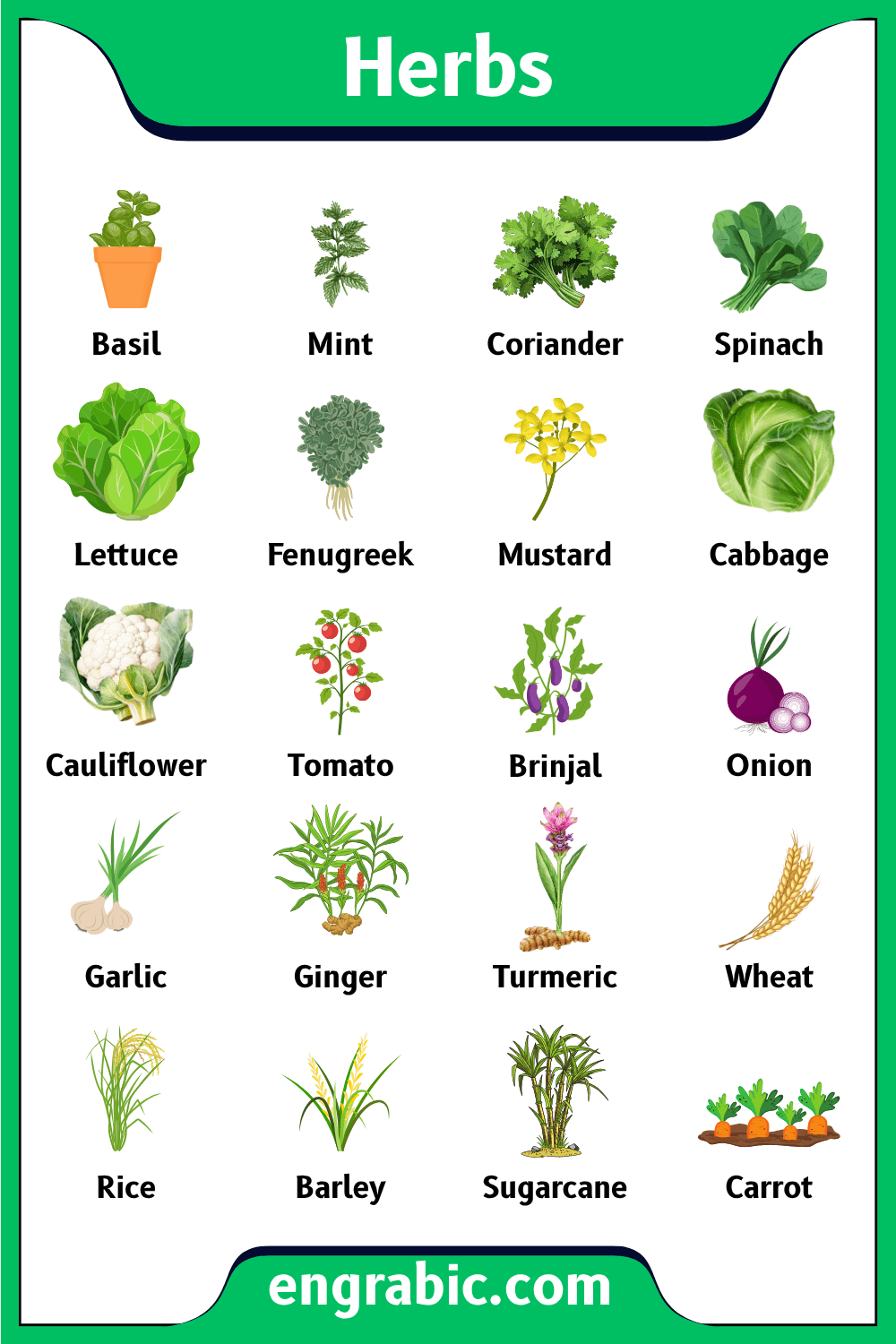
Useful herbs like mint and basil for learning plant types
- Basil
- Mint
- Coriander
- Spinach
- Lettuce
- Fenugreek
- Mustard
- Cabbage
- Cauliflower
- Tomato
- Brinjal
- Onion
- Garlic
- Ginger
- Turmeric
- Wheat
- Rice
- Barley
- Sugarcane
- Carrot
- Radish
- Peas
- Dill
- Thyme
- Oregano
- Cilantro
- Sage
- Chives
- Parsley
Different Kinds of Herbs with Illustrative Pictures
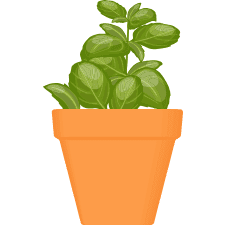
- Basil
A fragrant herb often used in cooking and medicine.
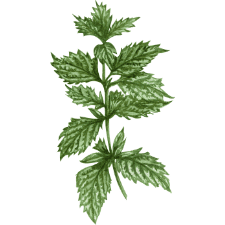
- Mint
A refreshing herb with cool, green leaves.
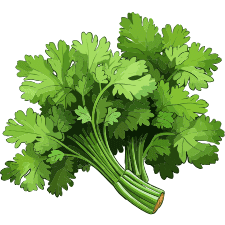
- Coriander
An herb with citrusy leaves and seeds used in spices.
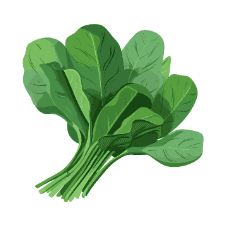
- Spinach
A leafy green vegetable rich in vitamins.
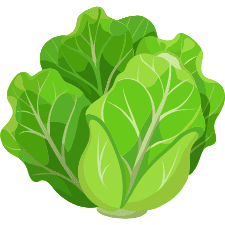
- Lettuce
A leafy vegetable commonly used in salads.
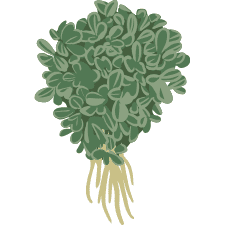
- Fenugreek
An herb with small leaves used for flavor and health.
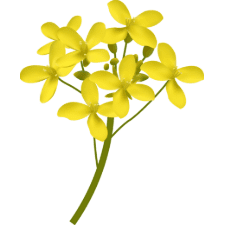
- Mustard
A plant grown for its seeds, used as spice and oil.
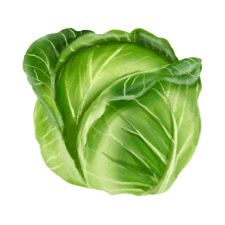
- Cabbage
A round leafy vegetable used in salads and cooking.
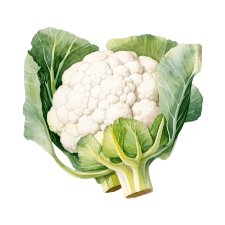
- Cauliflower
A white vegetable with a firm, flower-like head.
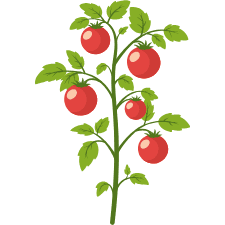
- Tomato
A red, juicy fruit used as a vegetable in cooking.
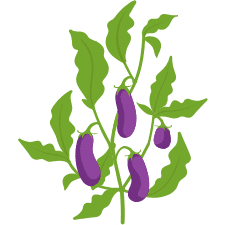
- Brinjal
A purple vegetable used in many dishes.
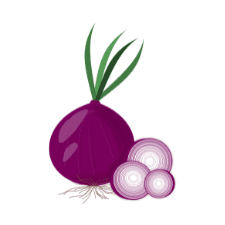
- Onion
A bulb vegetable with layers and a strong smell.
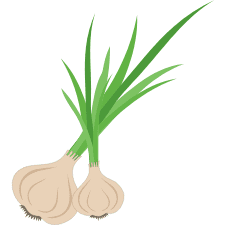
- Garlic
A small bulb used for flavor and health benefits.
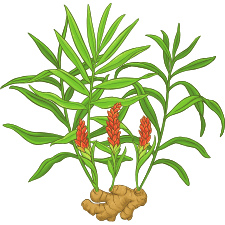
- Ginger
A spicy root used in cooking and medicine.
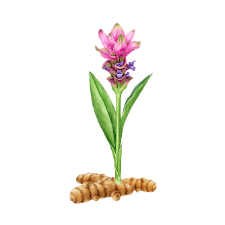
- Turmeric
A bright yellow root used as a spice and medicine.
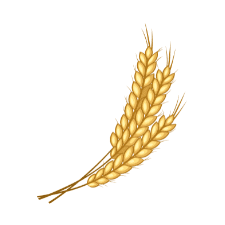
- Wheat
A cereal grain used to make flour and bread.
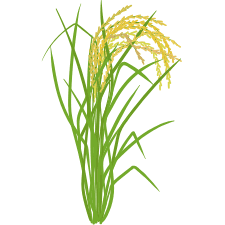
- Rice
A staple grain eaten worldwide.
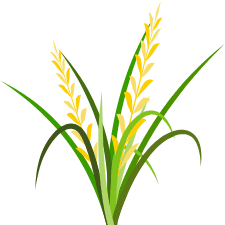
- Barley
A cereal grain used in food and drinks.
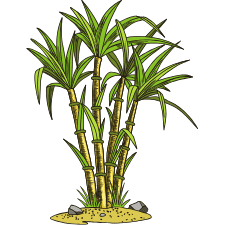
- Sugarcane
A tall grass plant used to produce sugar.
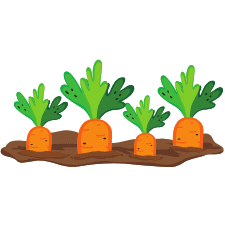
- Carrot
An orange root vegetable, crunchy and sweet.
 6. Climbers
 6. Climbers
Plants with weak stems that climb using tendrils or support structures.
Common Climbing Plants You Should Know
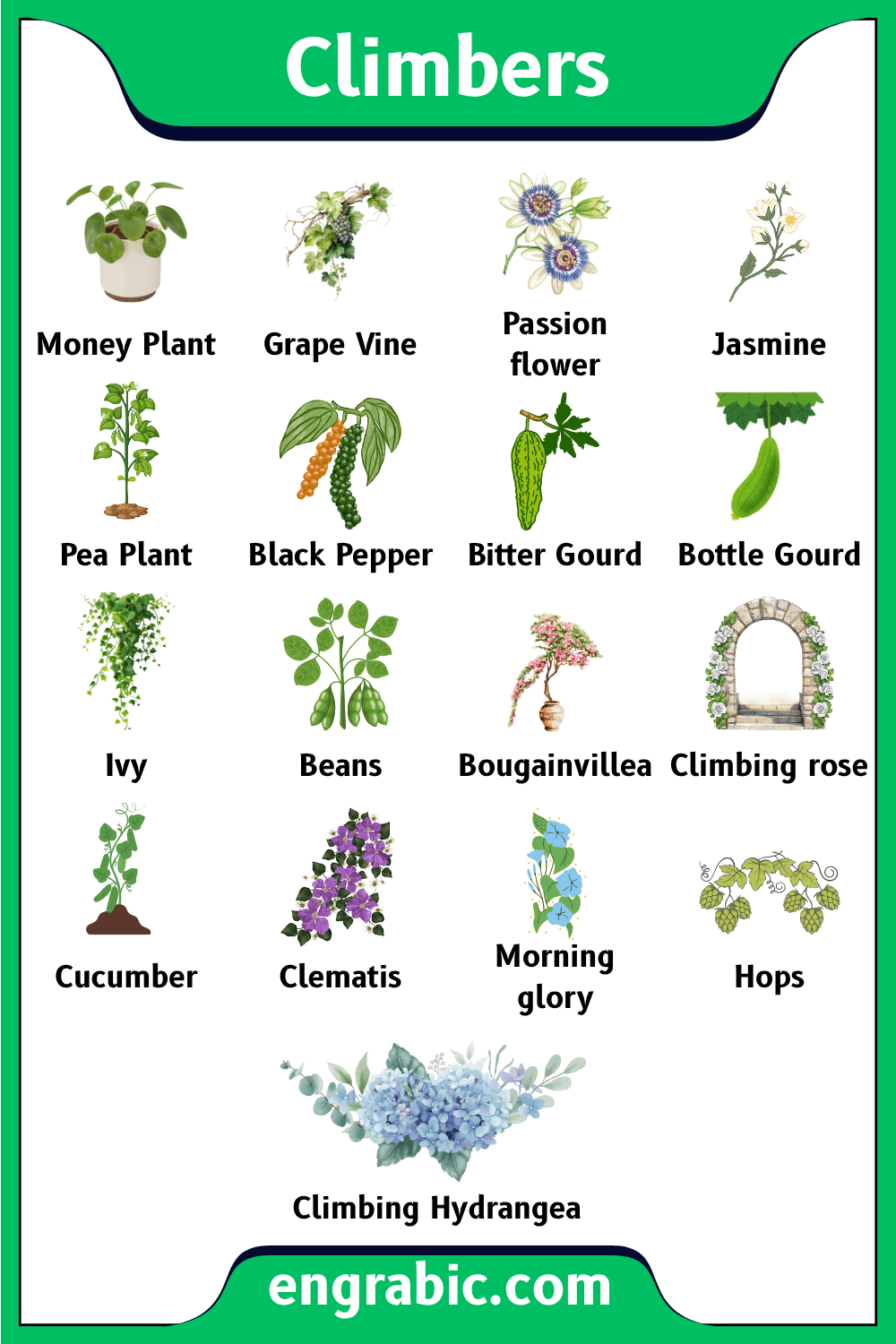
Learn plant names through this climber-focused visual
- Money Plant
- Grape Vine
- Passion Flower
- Jasmine
- Pea Plant
- Black Pepper
- Bitter Gourd
- Bottle Gourd
- Ivy
- Beans
- Bougainvillea
- Climbing Rose
- Cucumber
- Clematis
- Morning Glory
- Hops
- Climbing Hydrangea
Exploring Climber Plant Names through Clear Pictures
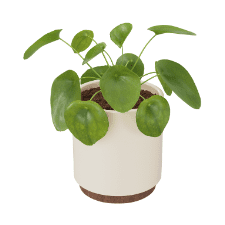
- Money Plant
A fast-growing vine with heart-shaped green leaves.
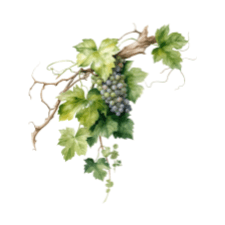
- Grape Vine
A plant that climbs and produces grapes.
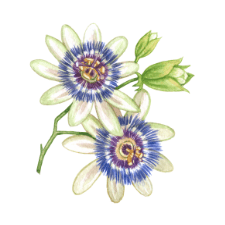
- Passion Flower
A vine with unique, colorful flowers and edible fruit.
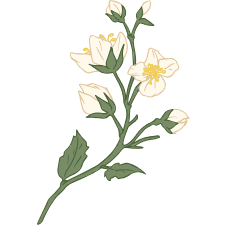
- Jasmine
A climbing plant with small, sweet-smelling white flowers.
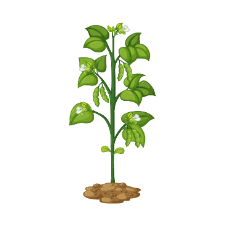
- Pea Plant
A climbing plant that produces edible peas.
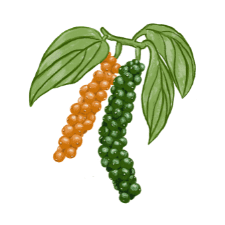
- Black Pepper
A climbing vine that produces small black peppercorns.
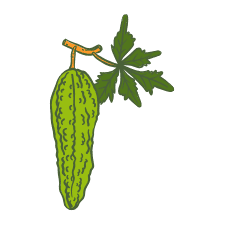
- Bitter Gourd
A climbing plant with bitter, green, warty fruit.
- Bottle Gourd
A vine producing long, green, bottle-shaped fruits.
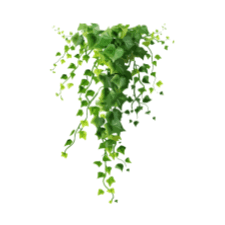
- Ivy
A creeping plant with dark green, lobed leaves.
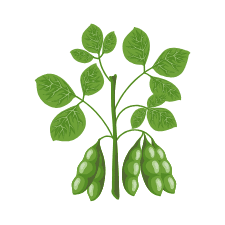
- Beans
Climbing plants that grow edible pods and seeds.
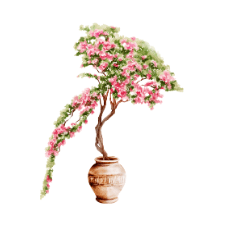
- Bougainvillea
A climbing shrub with colorful, paper-like flowers.
- Climbing Rose
A rose plant that grows upwards using support.

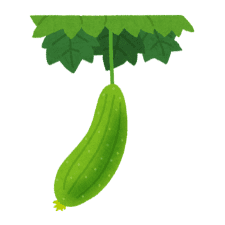
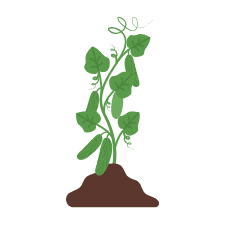
- Cucumber
A vine that produces long, green, edible fruit.
- Clematis
A flowering vine with large, colorful flowers.

- Morning Glory
A fast-growing vine with trumpet-shaped flowers.

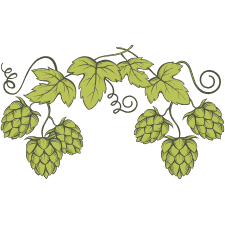
- Hops
A climbing plant used in brewing beer.
- Climbing Hydrangea
A vine with white, lace-like flower clusters.
7. Creepers
 7. Creepers
Plants that spread horizontally along the ground.
Popular Creeping Plants for Beginners
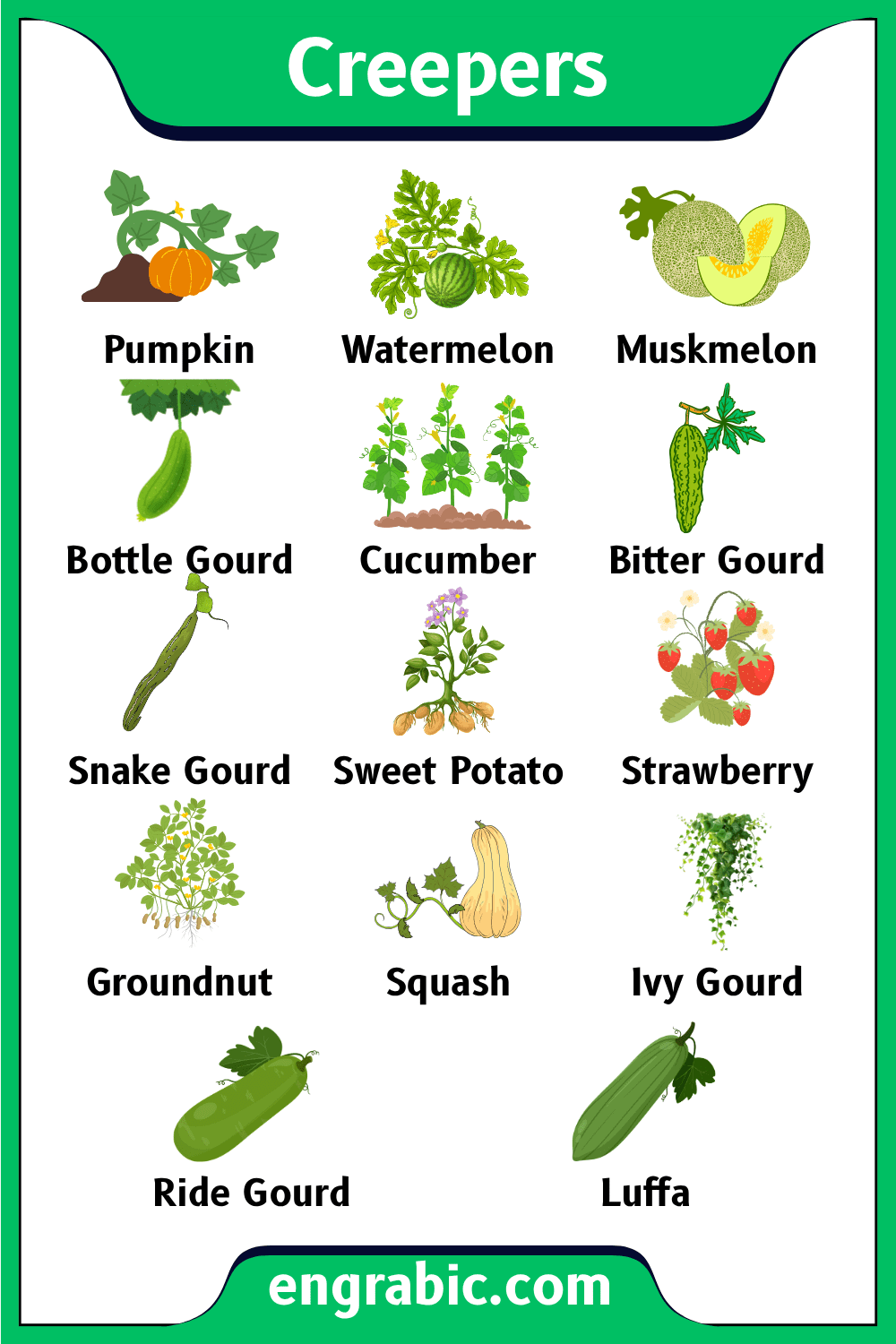
Creeping plants like watermelon and grass
- Pumpkin
- Watermelon
- Muskmelon
- Bottle Gourd
- Cucumber
- Bitter Gourd
- Snake Gourd
- Sweet Potato
- Strawberry
- Groundnut
- Squash
- Ivy Gourd
- Ridge Gourd
- Luffa
Creeper Plant Types with Pictures for Easy Vocabulary
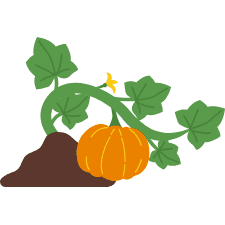
- Pumpkin
A large, round fruit that grows on a creeping vine.
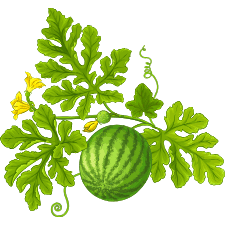
- Watermelon
A big, juicy fruit with a green rind and red flesh.
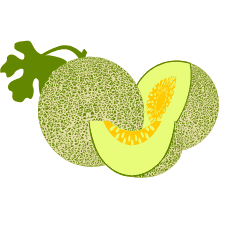
- Muskmelon
A sweet melon with a netted skin and orange flesh.
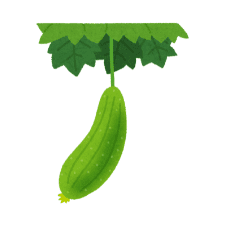
- Bottle Gourd
A long, green fruit that grows on a trailing vine.
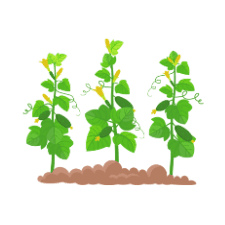
- Cucumber
A green vegetable that creeps along the ground.
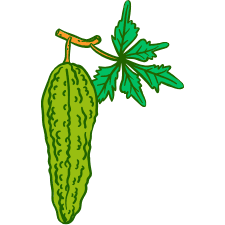
- Bitter Gourd
A bitter-tasting, green fruit growing on creeping vines.
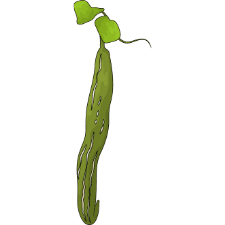
- Snake Gourd
A long, thin, snake-like fruit on a trailing plant.
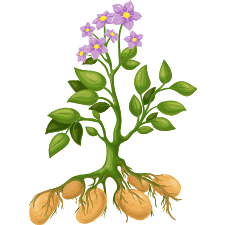
- Sweet Potato
A root vegetable that grows on creeping vines.
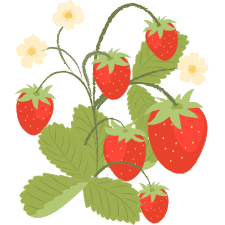
- Strawberry
A small, red, sweet fruit that grows close to the ground.
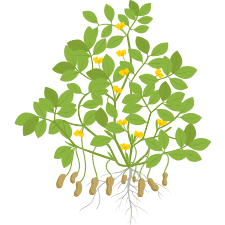
- Groundnut
A legume with edible seeds growing underground from creeping plants.
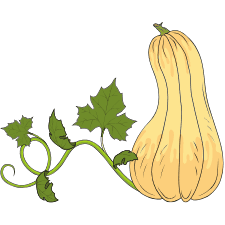
- Squash
A large fruit with thick skin growing on trailing vines.
- Ivy Gourd
A small, green vegetable growing on creeping vines.
- Ridge Gourd
A vegetable with ridged skin that creeps on vines.
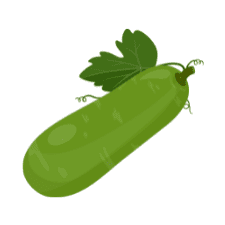
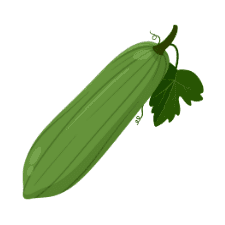
- Luffa
A long, fibrous vegetable used as a natural sponge, growing on trailing vines.
8. Aquatic Plants
Plants that grow fully or partially in water.
Common Aquatic Plants in Various Types of Plants
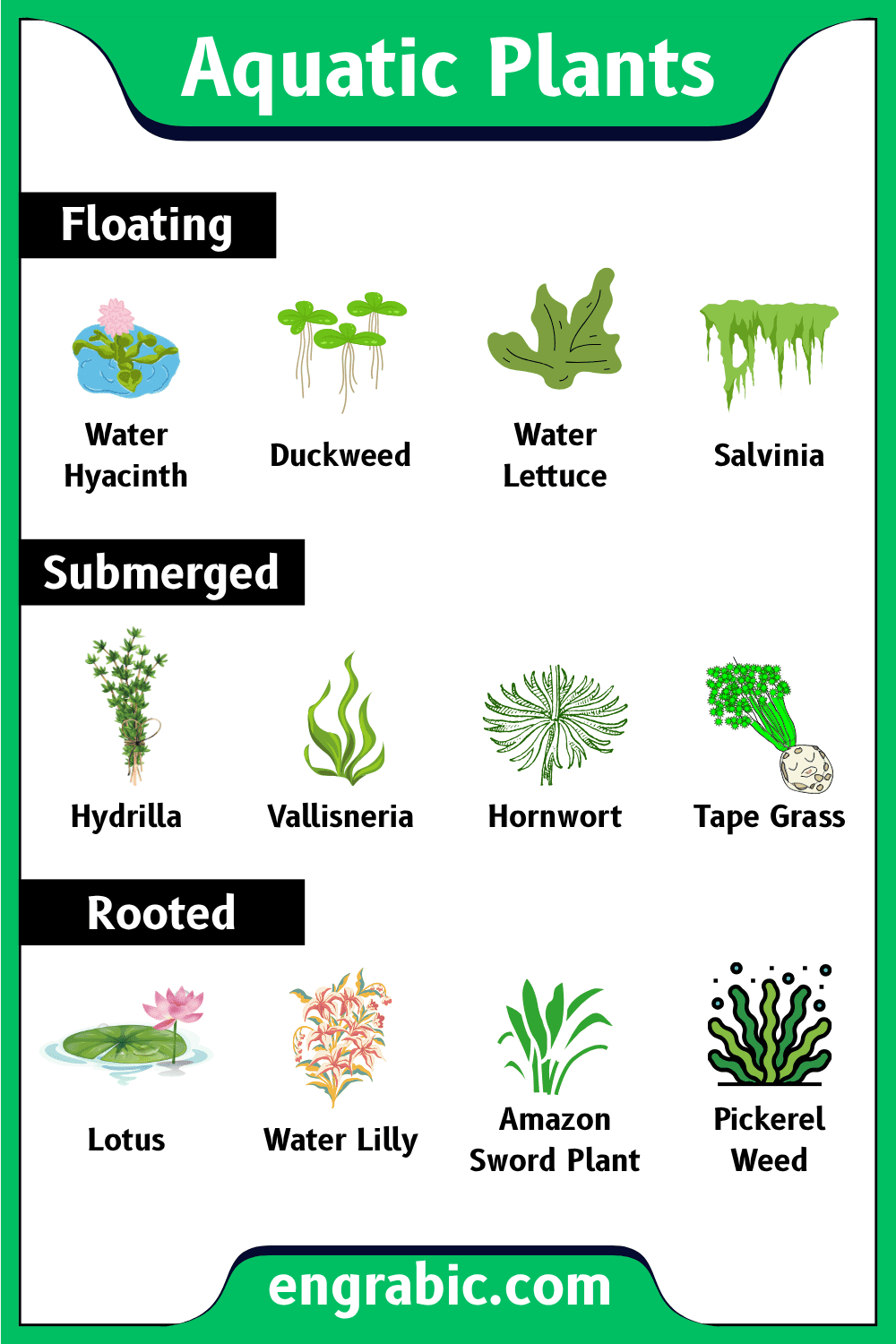
Floating and submerged aquatic plant types
Visual Guide to Types of Plants: Aquatic Species
- Floating:
- Water Hyacinth
- Duckweed
- Water Lettuce
- Salvinia
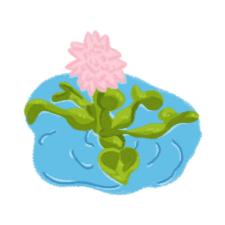
Water Hyacinth
A green plant that floats on water with thick, bulbous leaves.
Duckweed
A tiny, free-floating plant that covers water surfaces.
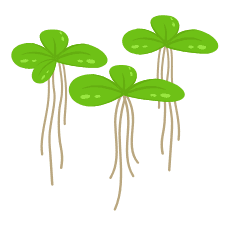
Water Lettuce
A soft, leafy plant that floats on water like a lettuce.
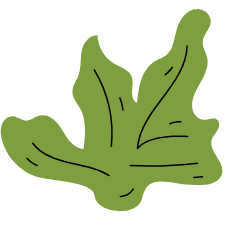
Salvinia
A small floating fern that stays on water surfaces.

- Submerged:
- Hydrilla
- Vallisneria
- Hornwort
- Tape Grass
Hydrilla
A green plant that grows fully underwater in lakes and ponds.
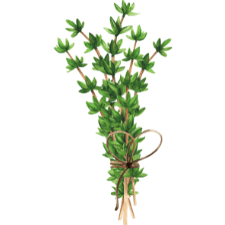
Vallisneria
A long, grass-like underwater plant found in fresh water.
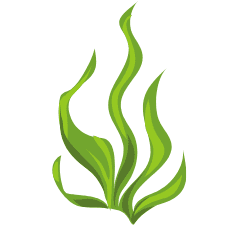
Hornwort
A soft, feathery plant living underwater in ponds and lakes.
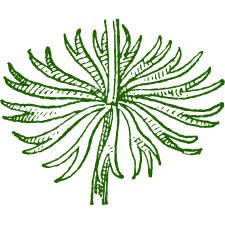
Tape Grass
A thin, ribbon-like plant that grows underwater.
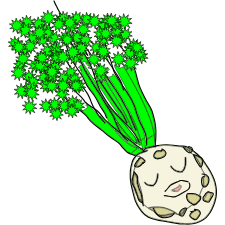
- Fixed/Rooted:
- Lotus
- Water Lily
- Amazon Sword Plant
- Pickerel Weed
Lotus
A large water plant with round leaves and beautiful flowers above the water.
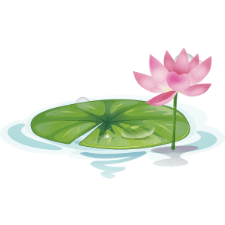
Water Lily
A floating plant with broad leaves and colorful flowers on water surface.
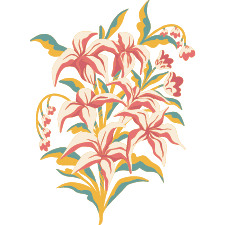
Amazon Sword Plant
A tall underwater plant with long sword-shaped leaves.
Pickerel Weed
A water plant with green leaves and purple flowers growing near water edges.

9. Desert Plants (Xerophytes)
Plants adapted to survive in dry environments.
Types of Plants Found in Desert Environments
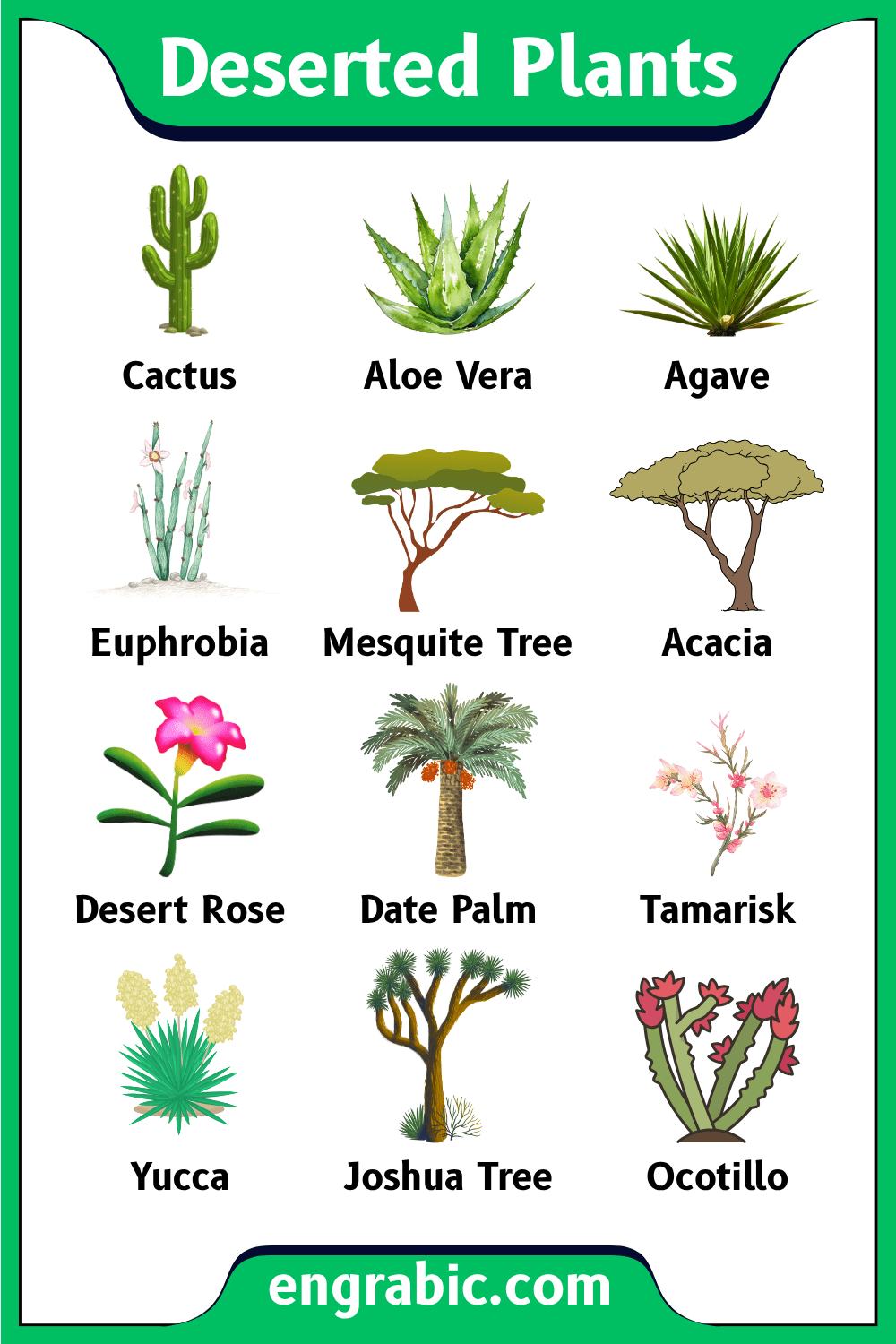
Vocabulary image showing xerophyte types of plants
- Cactus
- Aloe Vera
- Agave
- Euphorbia
- Mesquite Tree
- Acacia
- Desert Rose
- Date Palm
- Tamarisk
- Yucca
- Joshua Tree
- Ocotillo
Visual Guide to Types of Plants: Desert Adaptations
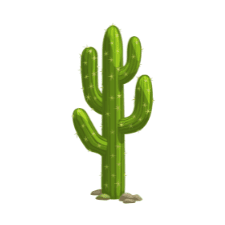
- Cactus
Plants with thick, spiny stems that store water in deserts.
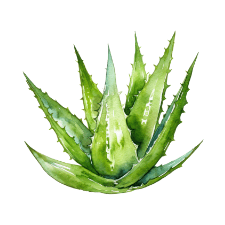
- Aloe Vera
A succulent plant with thick, fleshy leaves used for healing.
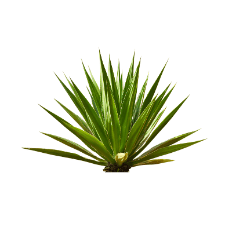
- Agave
A desert plant with sharp leaves that grow in a rosette shape.
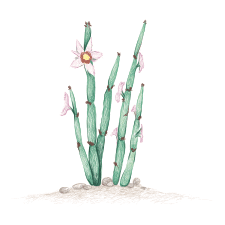
- Euphorbia
A cactus-like plant with milky sap and spiny stems.
- Mesquite Tree
A thorny tree found in deserts, with small, green leaves.

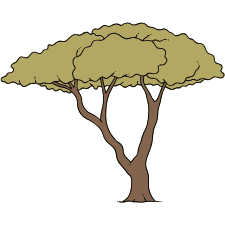
- Acacia
A desert tree with flat-topped branches and small leaves.
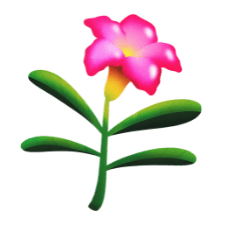
- Desert Rose
A flowering succulent plant with thick stems and bright flowers.
- Date Palm
A tall palm tree that grows dates in desert areas.

- Tamarisk
A shrub or small tree with slender branches, found in dry places.

- Yucca
A plant with sharp, sword-like leaves common in deserts.

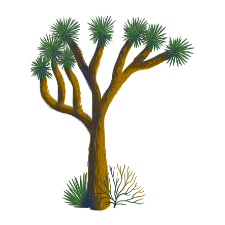
- Joshua Tree
A tree with spiky leaves, native to desert regions.
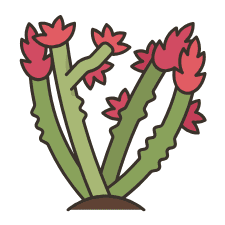
- Ocotillo
A shrub with long, spiny stems and bright red flowers.
Conclusion
Learning the different types of plants enhances nature-related vocabulary and boosts everyday language skills. From trees to herbs and creepers, each plant type adds useful words to your memory bank—helping learners describe the world more clearly and communicate with confidence in real-life conversations.
FAQs
-
What are the main types of plants covered under “Types of Plants”?
The main types are flowering plants, non-flowering plants, trees, shrubs, herbs, climbers, creepers, aquatic plants, and deserted plants. -
How do flowering plants differ from non-flowering plants in types of plants?
Flowering plants produce flowers and seeds, while non-flowering plants reproduce by spores and don’t produce flowers. -
What are some examples of trees included in types of plants?
Examples include mango, apple, and neem trees, which are commonly found flowering and fruit-bearing trees. -
How are shrubs categorized within different types of plants?
Shrubs are woody plants smaller than trees with multiple stems growing from the base. -
What distinguishes herbs in the types of plants classification?
Herbs are small, soft-stemmed plants that usually live for a short time and lack woody stems. -
Can you explain climbers as a type in types of plants?
Climbers are plants that need support to grow upwards by climbing on trees or structures. -
What defines creepers among the types of plants?
Creepers spread along the ground without growing upwards or using support. -
How are aquatic plants classified in types of plants?
Aquatic plants live in or on water and are adapted to wet environments. -
What adaptations do deserted plants have in types of plants?
Deserted plants survive harsh, dry conditions with features like thick leaves or deep roots. -
Why is it important to learn about various types of plants for vocabulary building?
Knowing types of plants helps improve vocabulary related to nature, science, and daily life.
Also Read
Leave a Comment